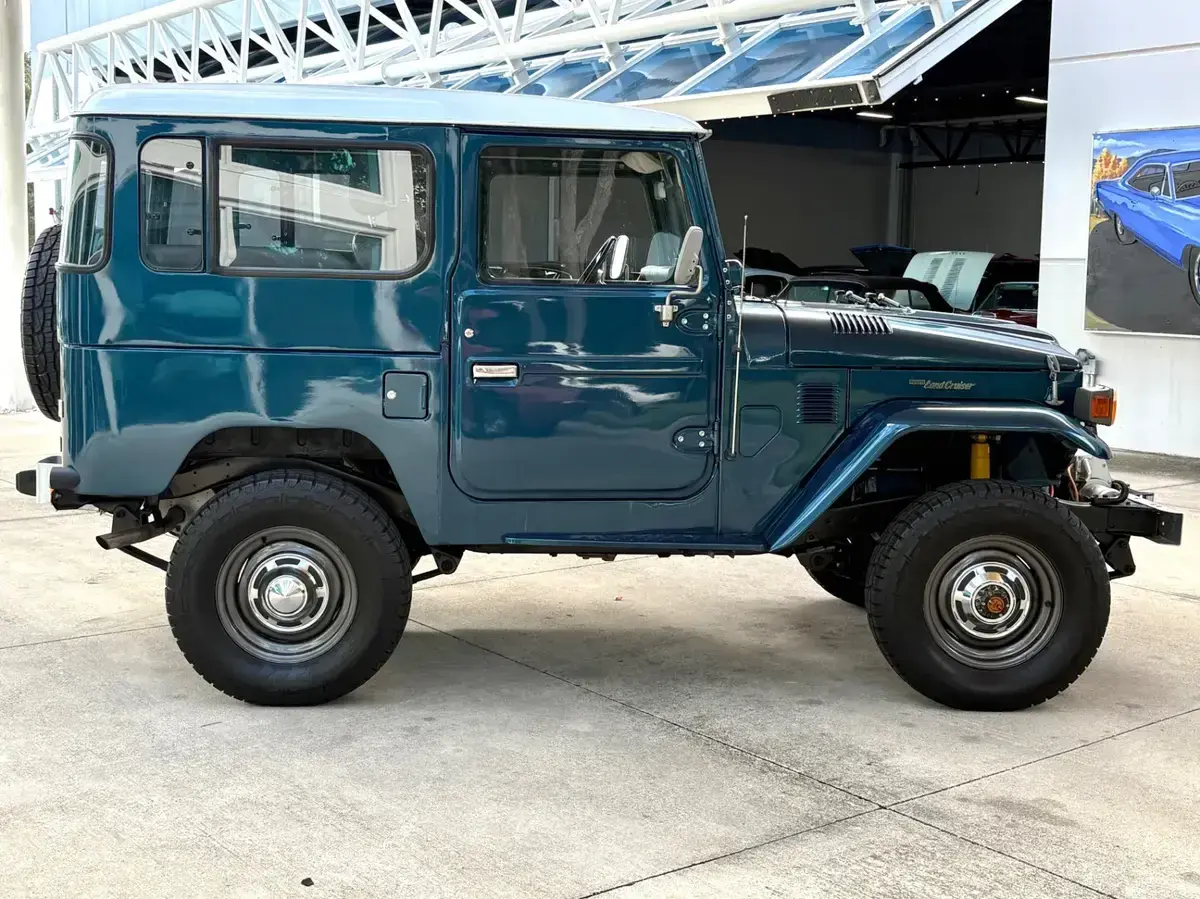
1984 Toyota Land Cruiser FJ40
$44,997
Additional fees may apply. Confirm total price with dealer.
Year
1984Make
ToyotaModel
Land CruiserOdometer
153,769Engine
4.2L Inline 6Fuel Type
gasolineTransmission
manualDrivetrain
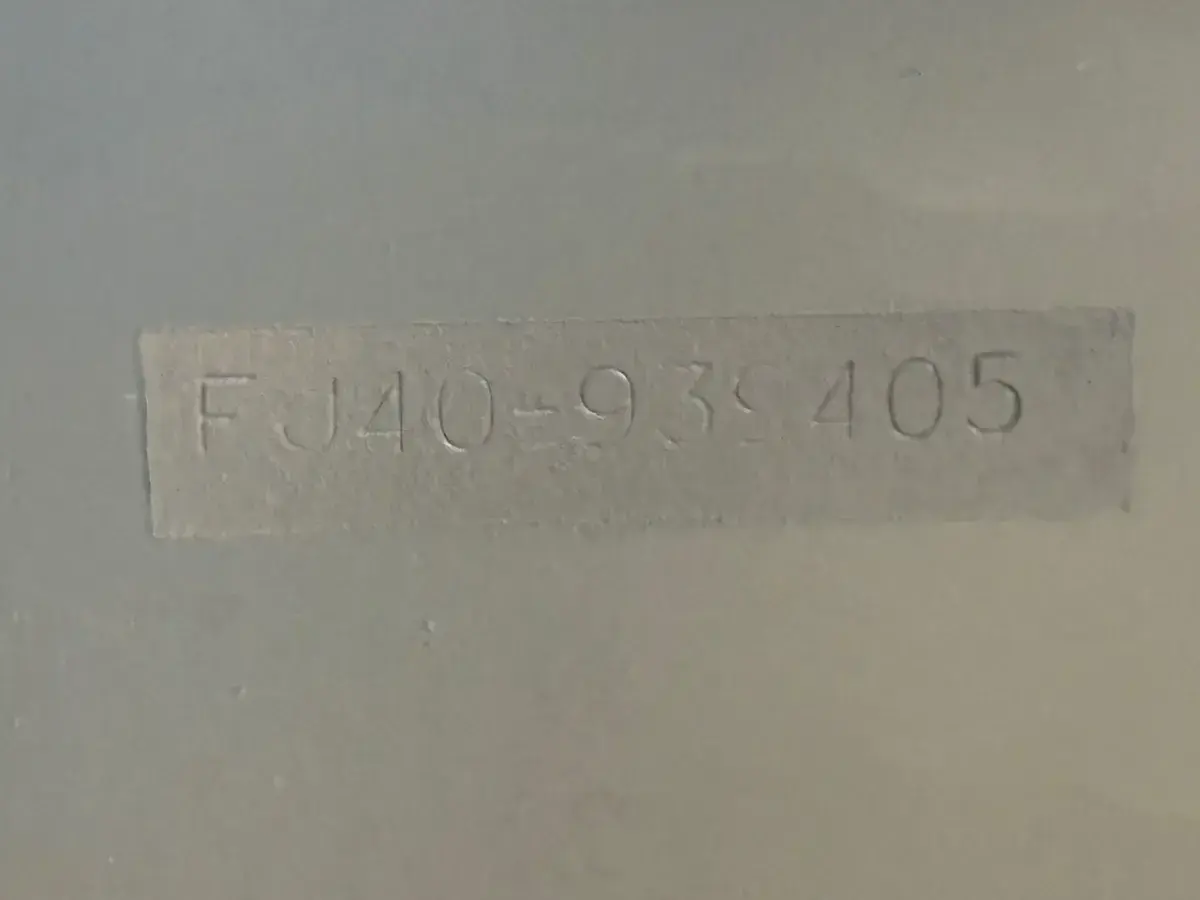
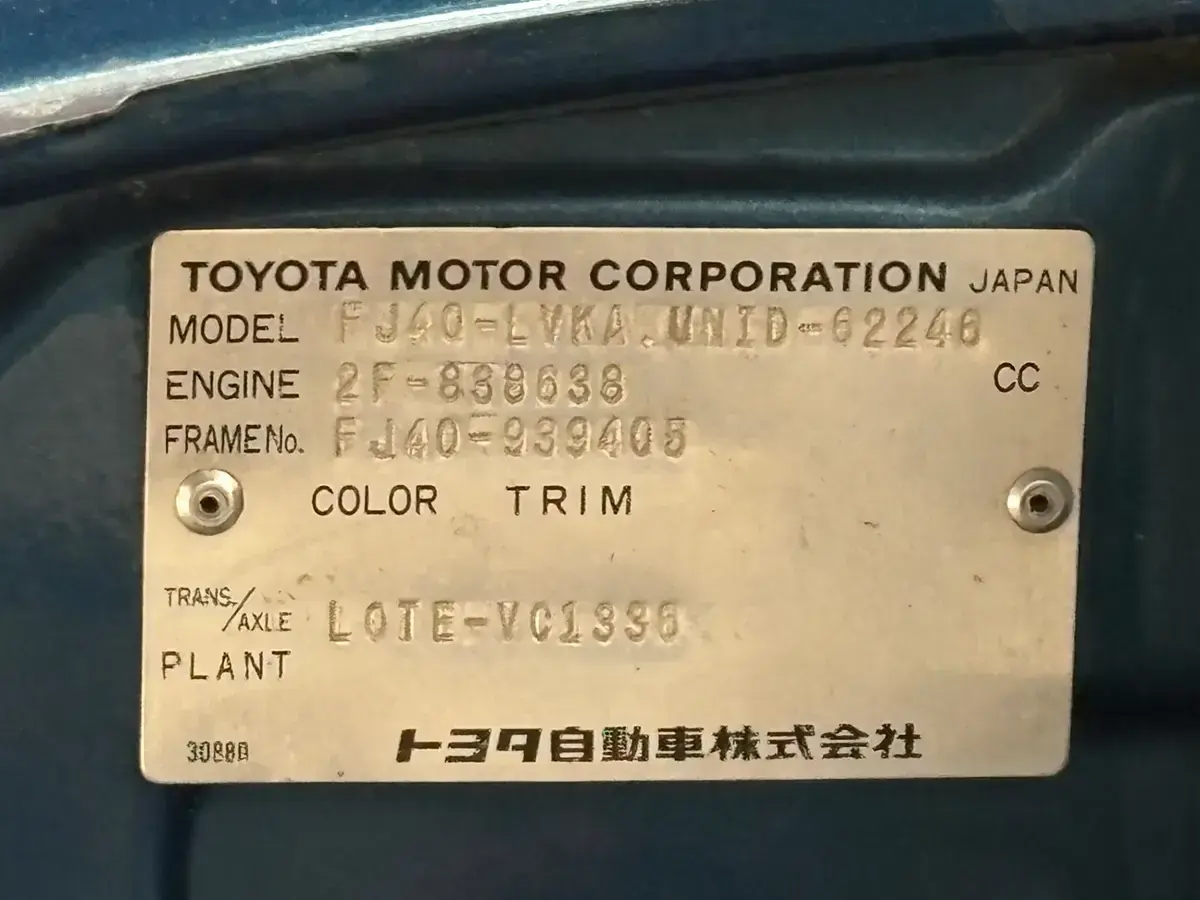
4×4VIN / Chassis #
FJ40-939405Seller
Skyway ClassicsLocation
Bradenton, FLSeller Stock #
SN3578Title Status
cleanWhy This Car Is Special
The 1984 Toyota Land Cruiser FJ40 holds a specific place in collector history: it was the final model year the FJ40 body style was sold in the United States. Toyota had been building the FJ40 since 1960, and by the time production wrapped up for the American market after 1984, it had earned a reputation as one of the most capable and durable short-wheelbase 4x4s ever made. That reputation was built on real-world use — the FJ40 served militaries, aid organizations, ranchers, and explorers across some of the most demanding terrain on earth. Being a final-year U.S. example gives this 1984 Toyota Land Cruiser FJ40 added significance for collectors who understand what that closing chapter meant.
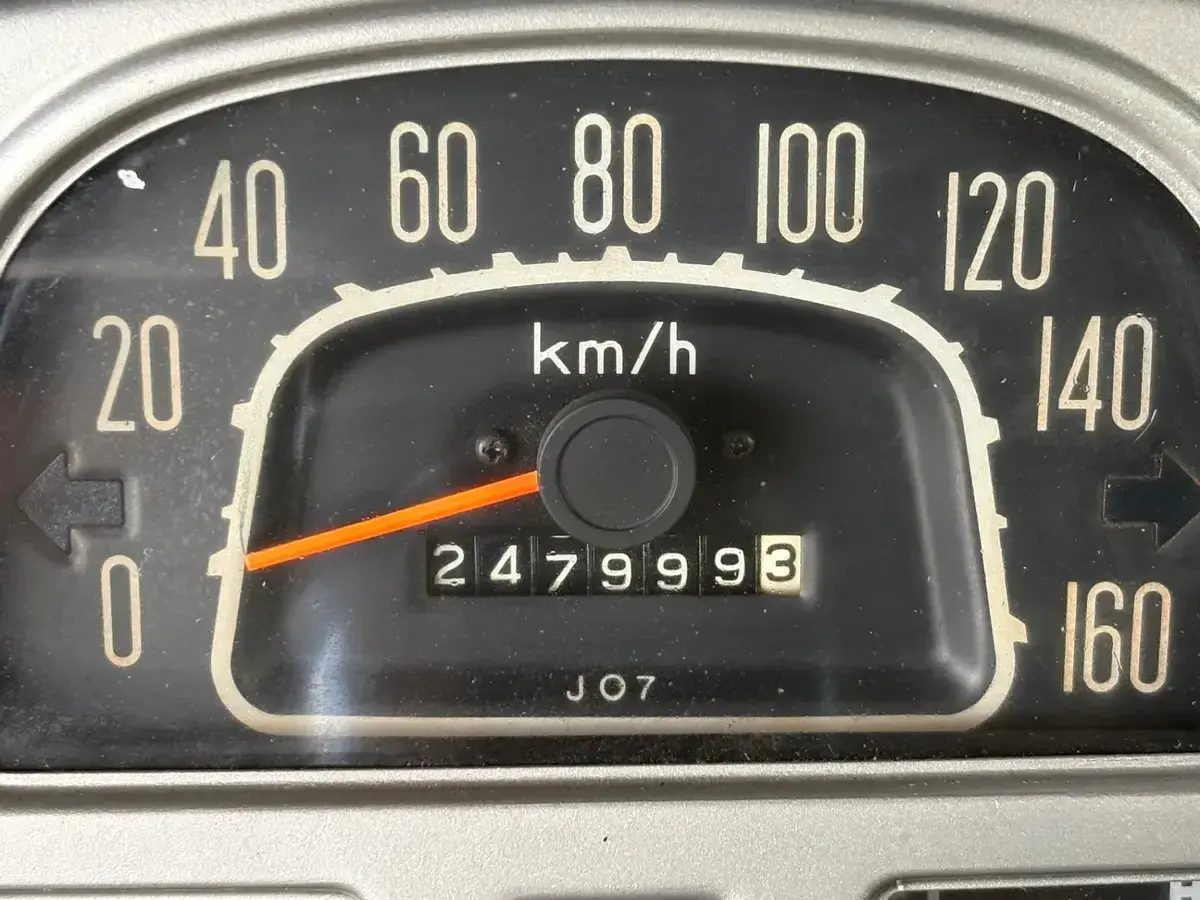
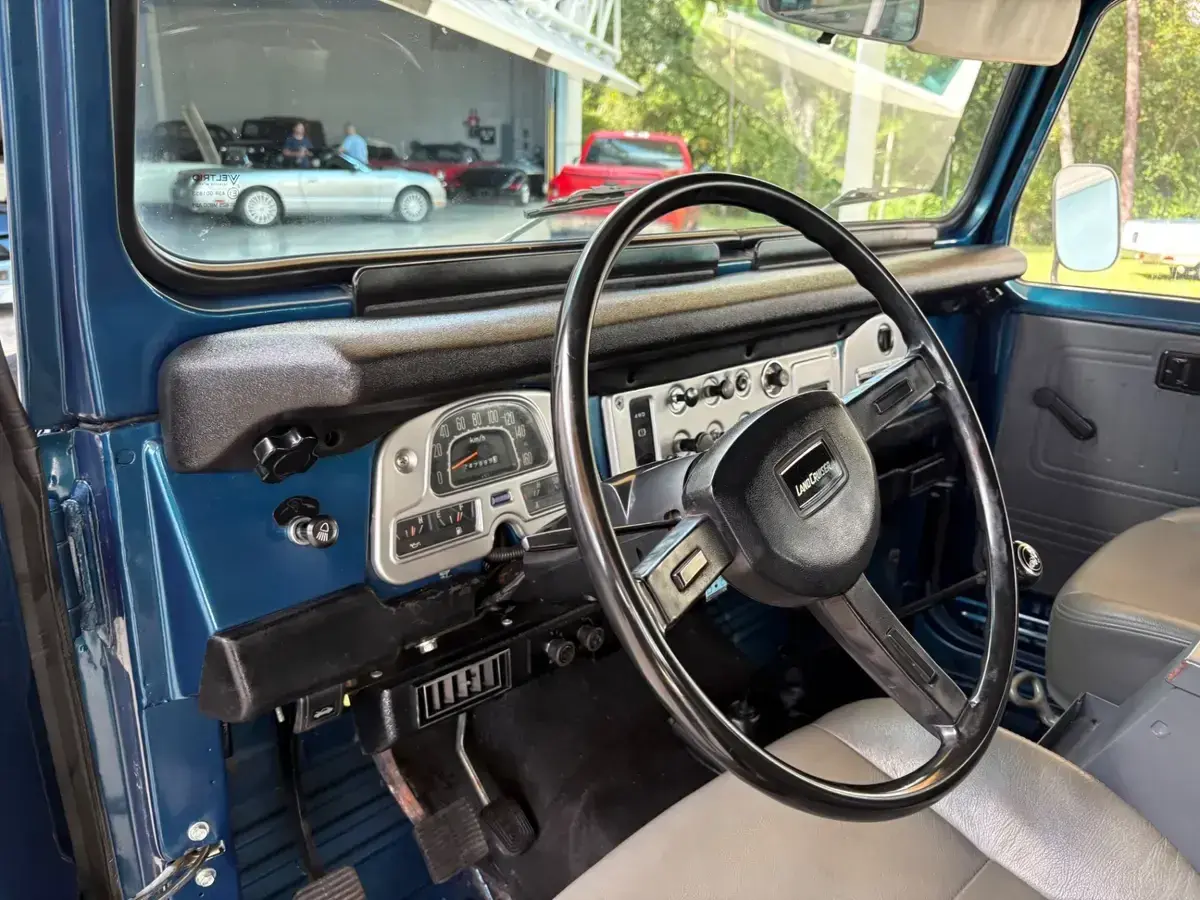
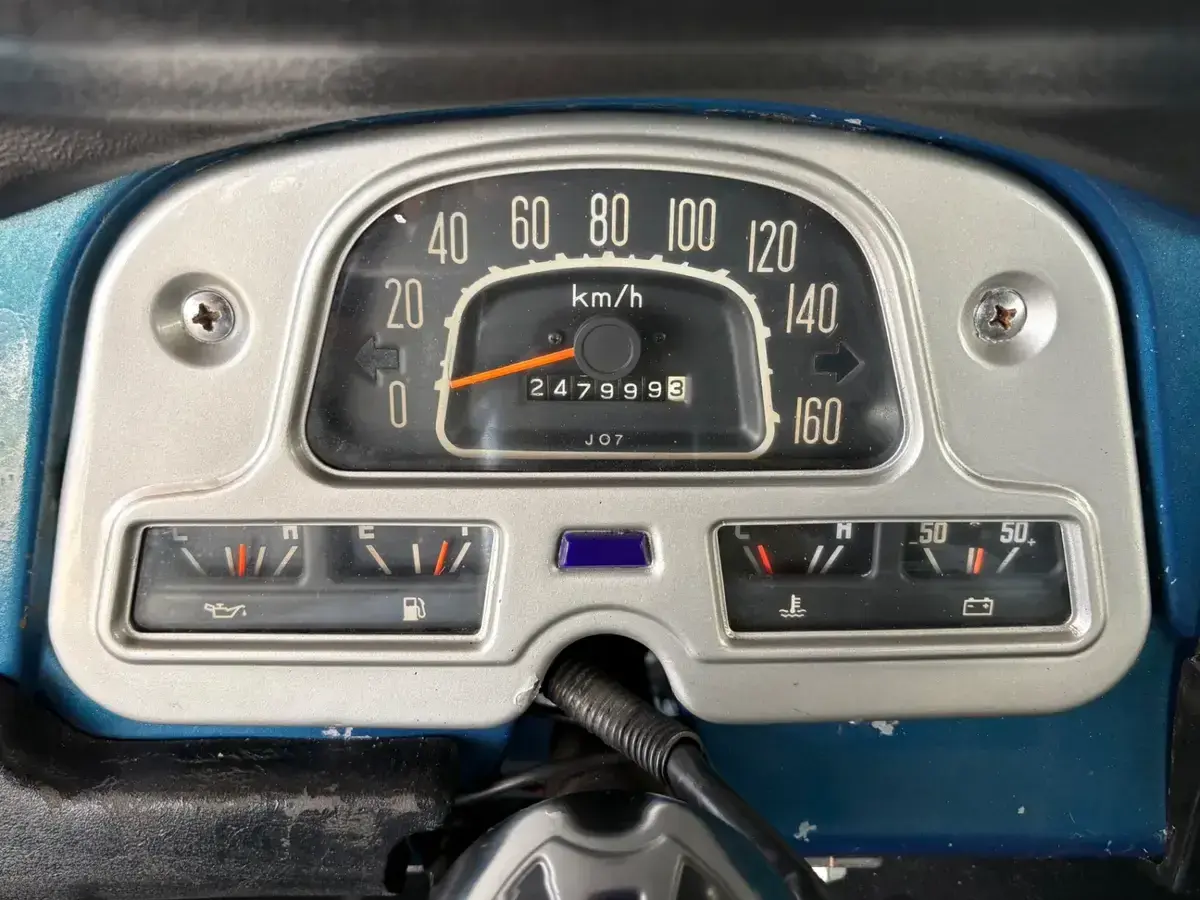
The chassis plate on this vehicle confirms FJ40 body coding, and the FJ40 body stamp is visible on the vehicle itself — a detail that matters to serious buyers who want to verify what they are looking at. The odometer reads in kilometers, consistent with the speedometer face visible in the photos, which is a common characteristic of FJ40s built for certain markets and later federalized for U.S. sale. The odometer shows 247,993 kilometers, which converts to approximately 154,100 miles. On a properly maintained 2F engine, that figure is not cause for alarm — it is context.
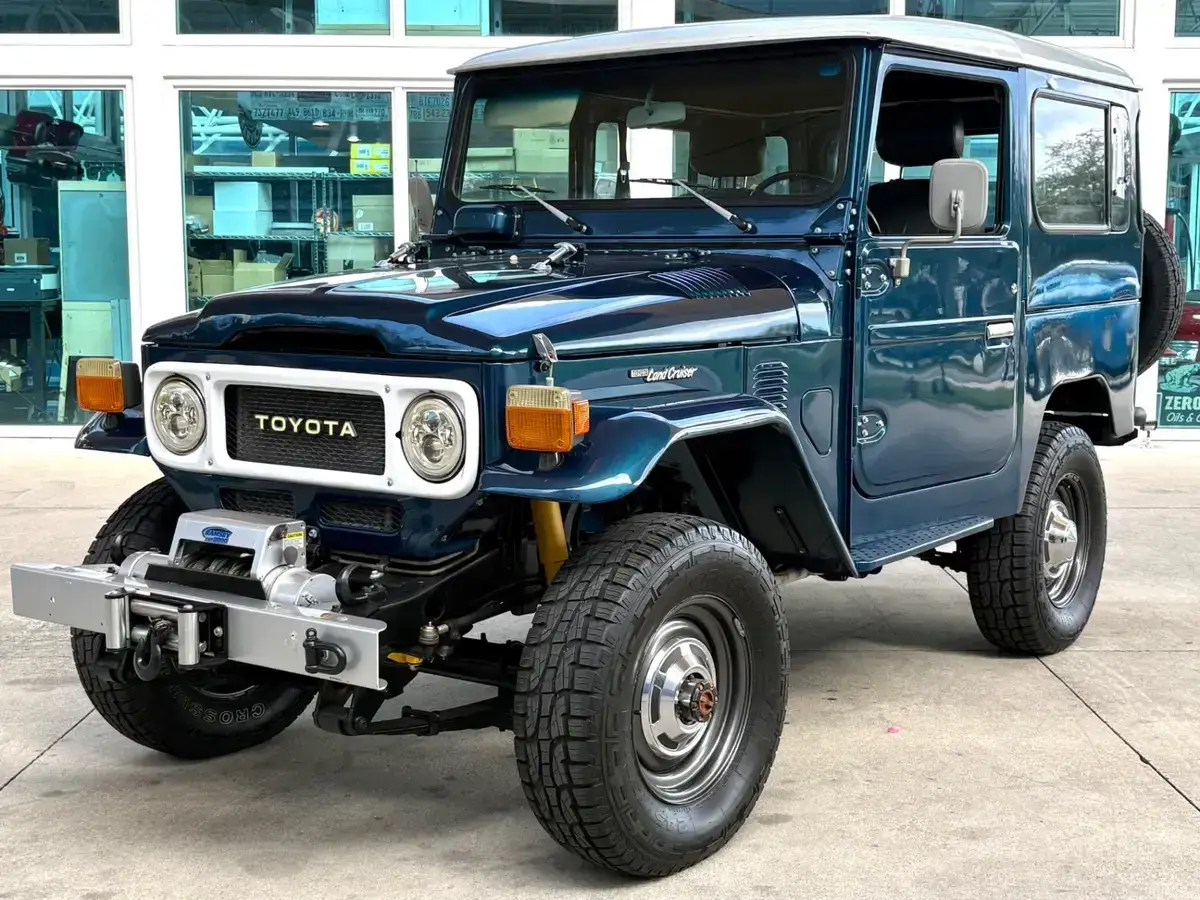
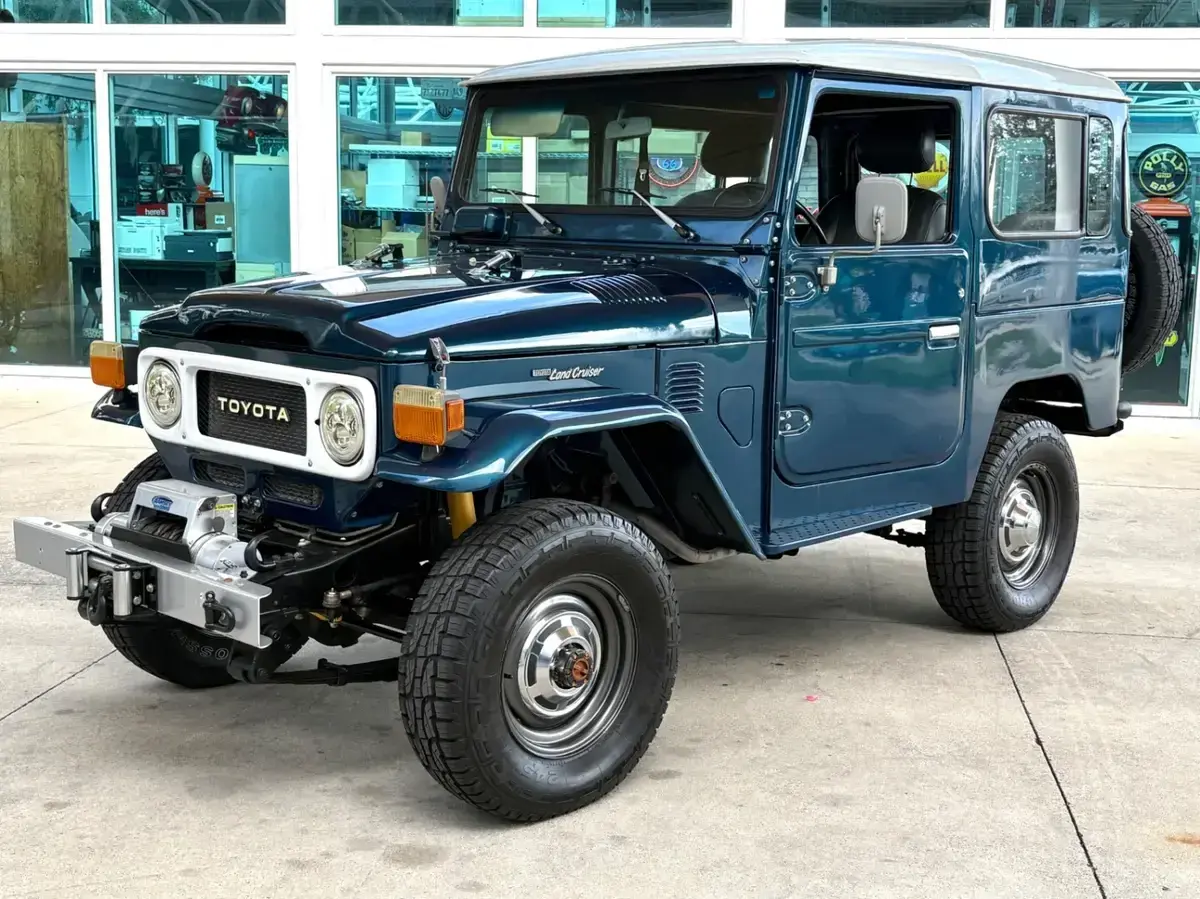
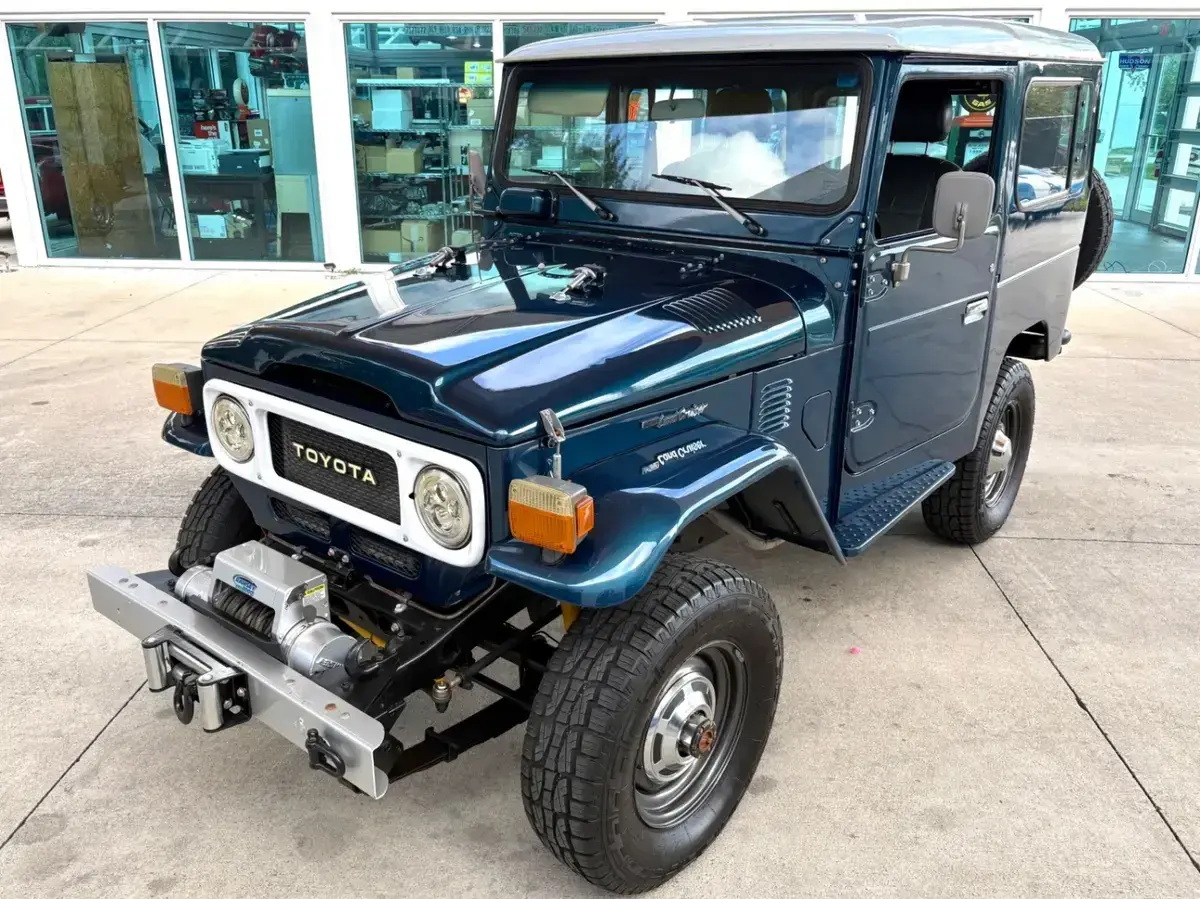
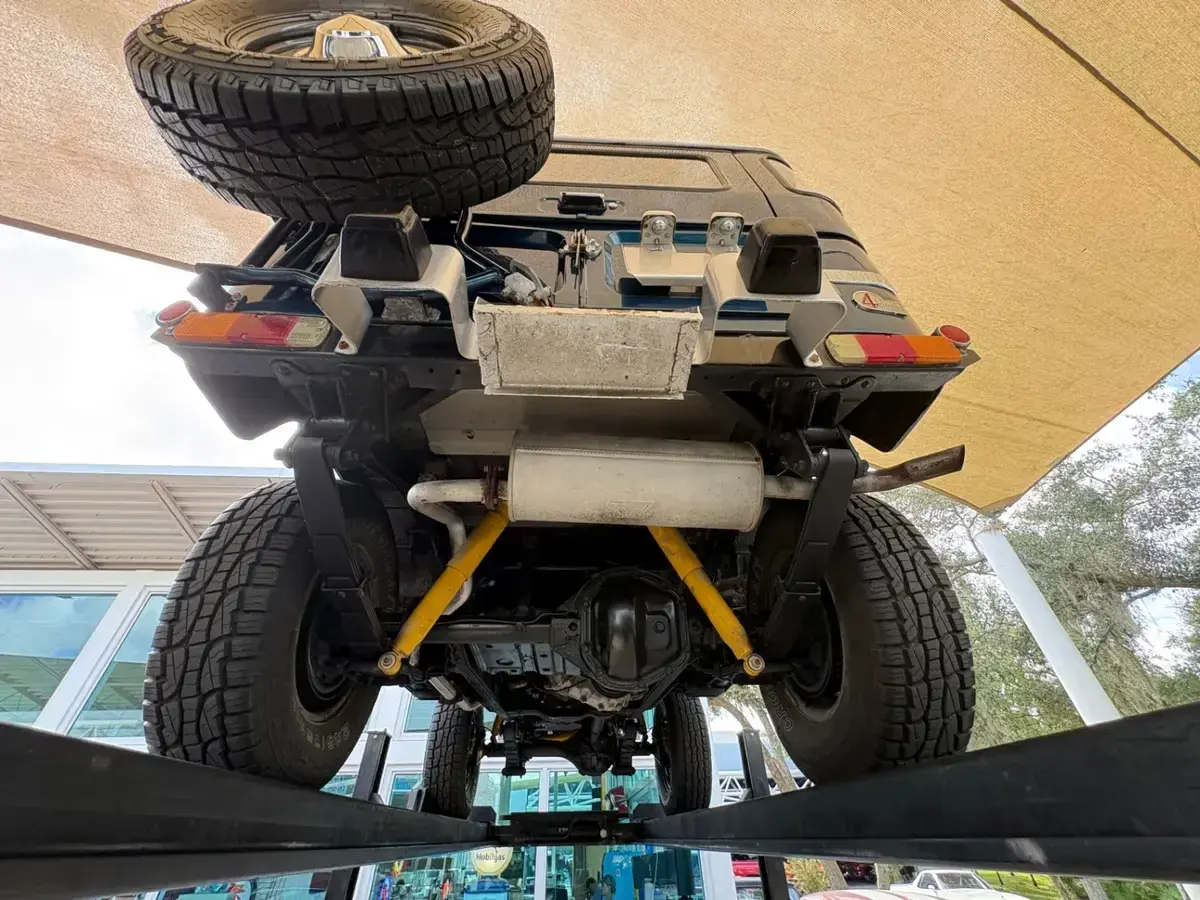
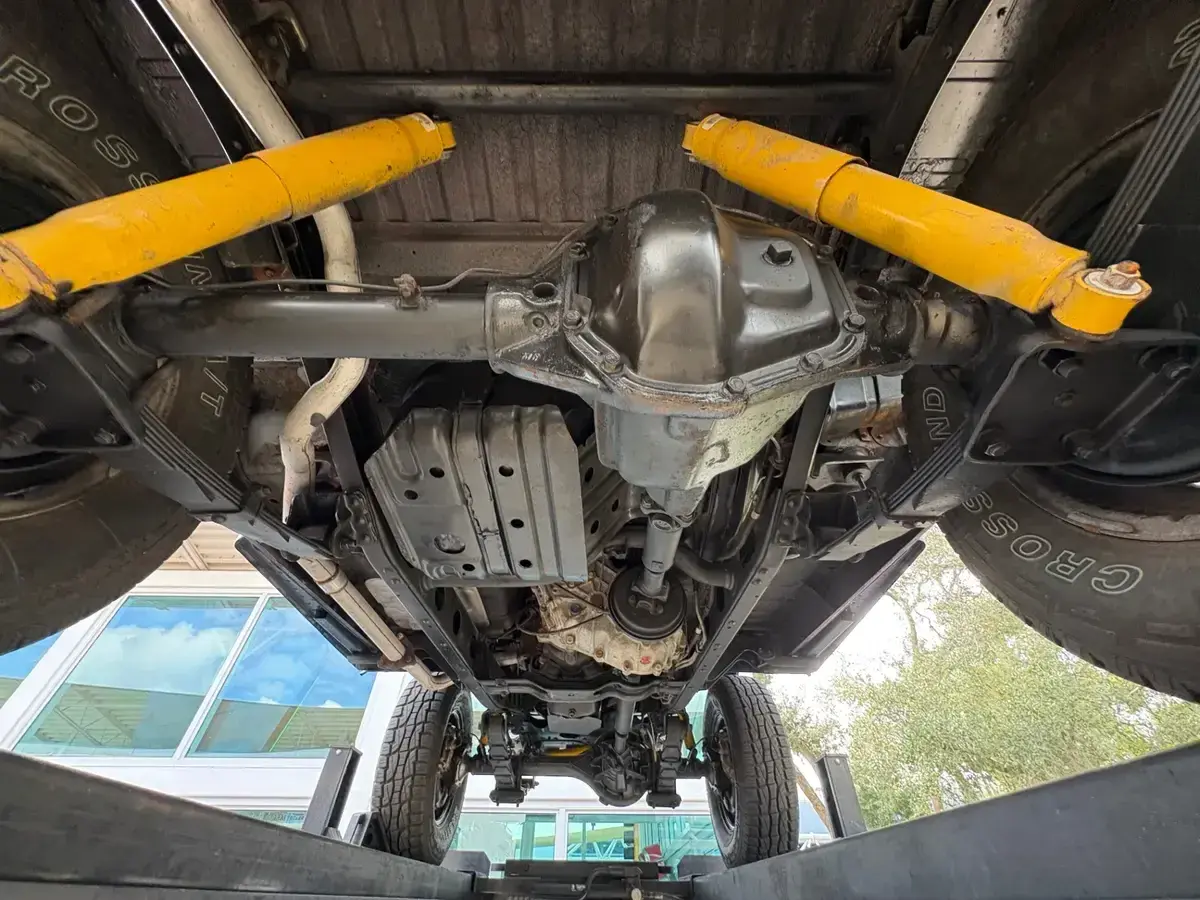
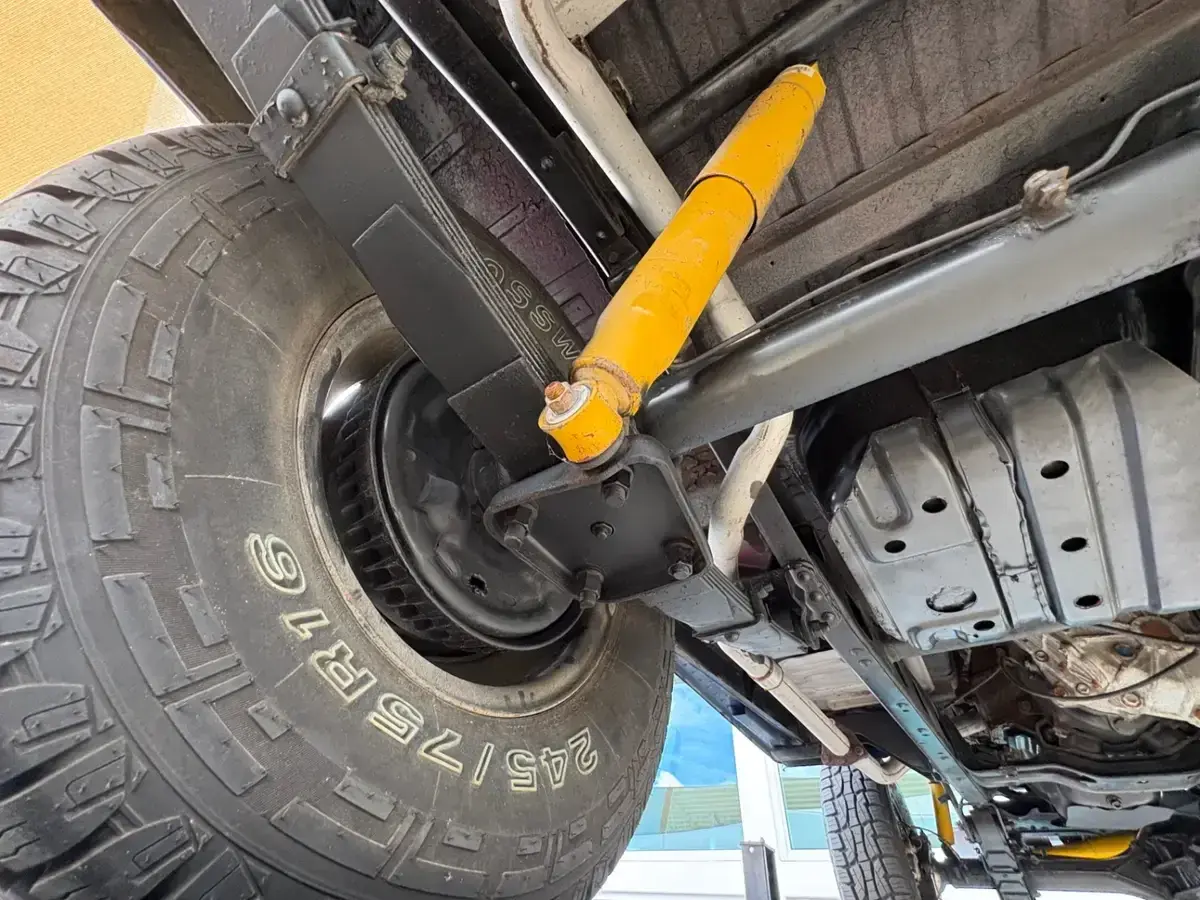
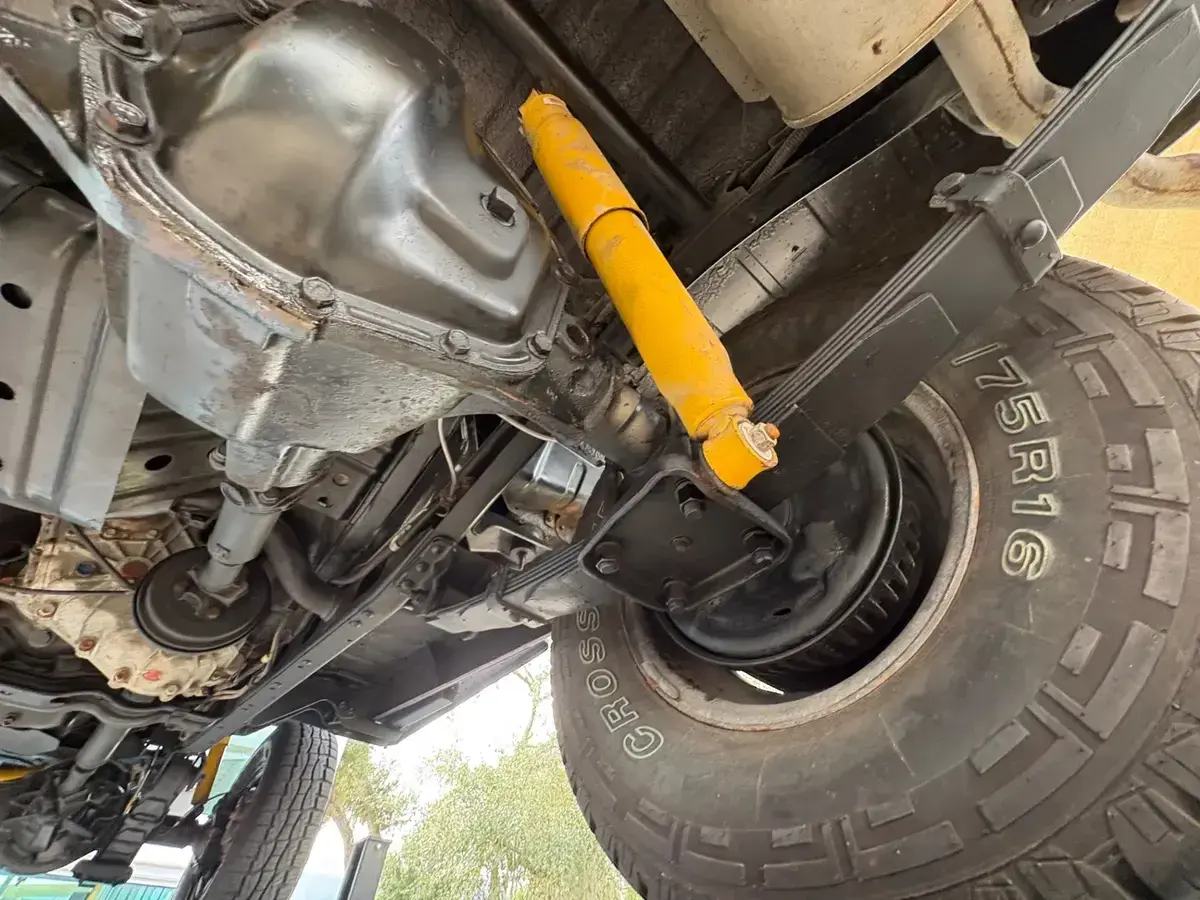
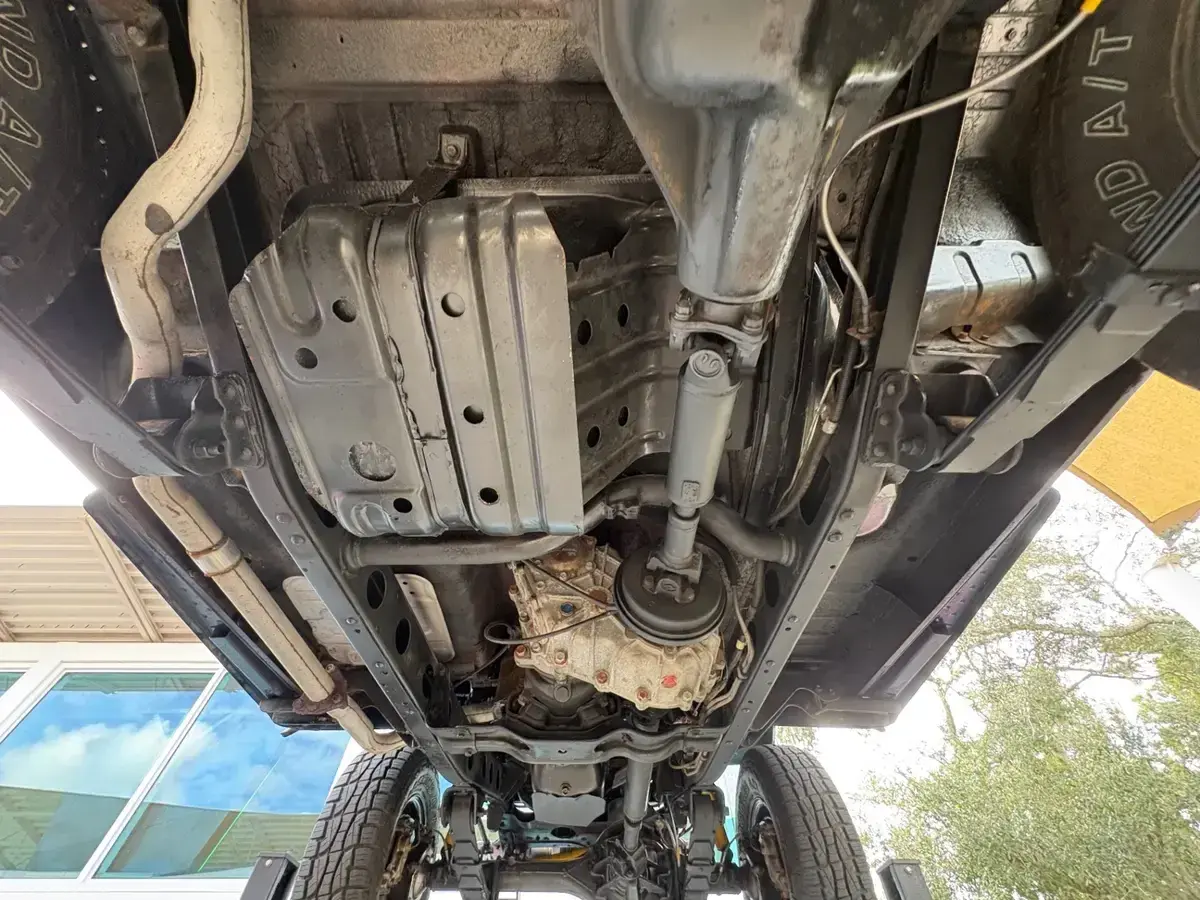
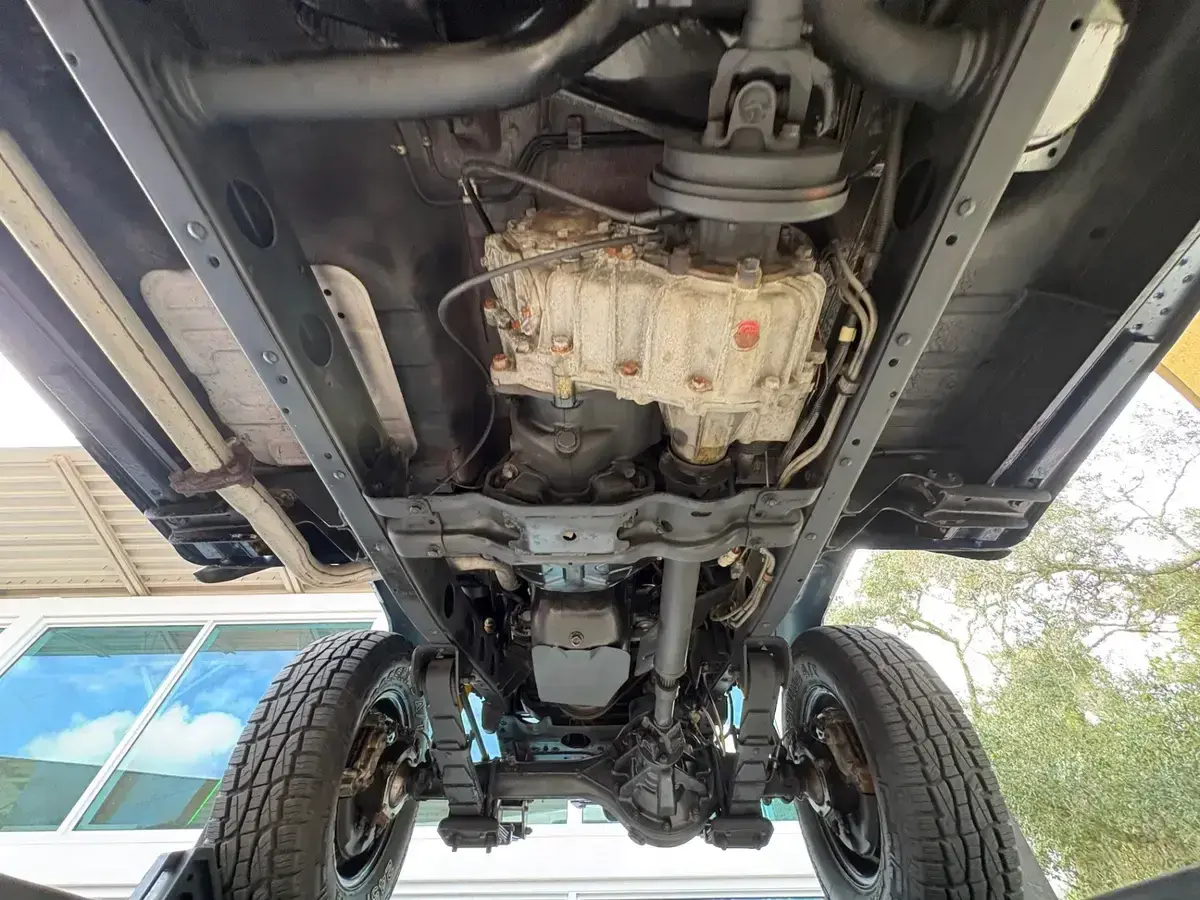
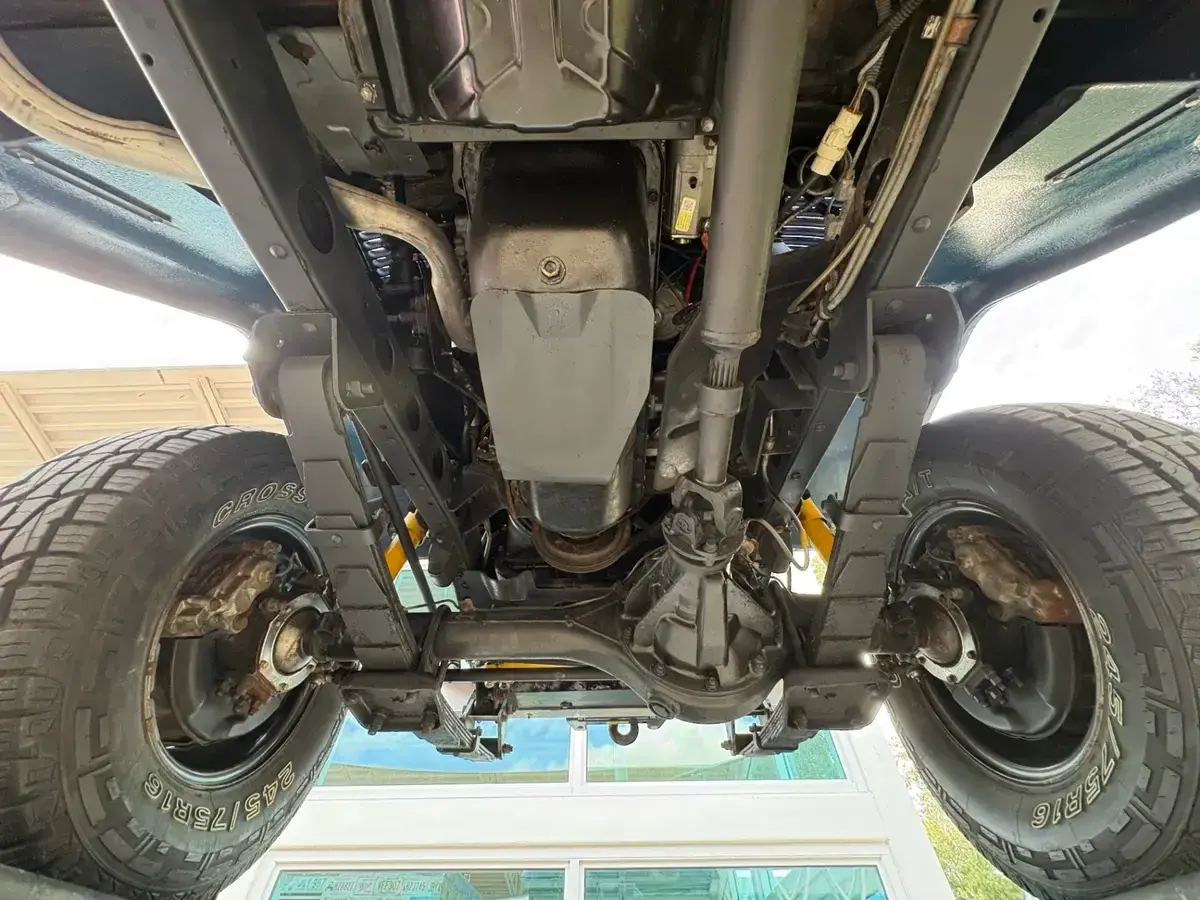
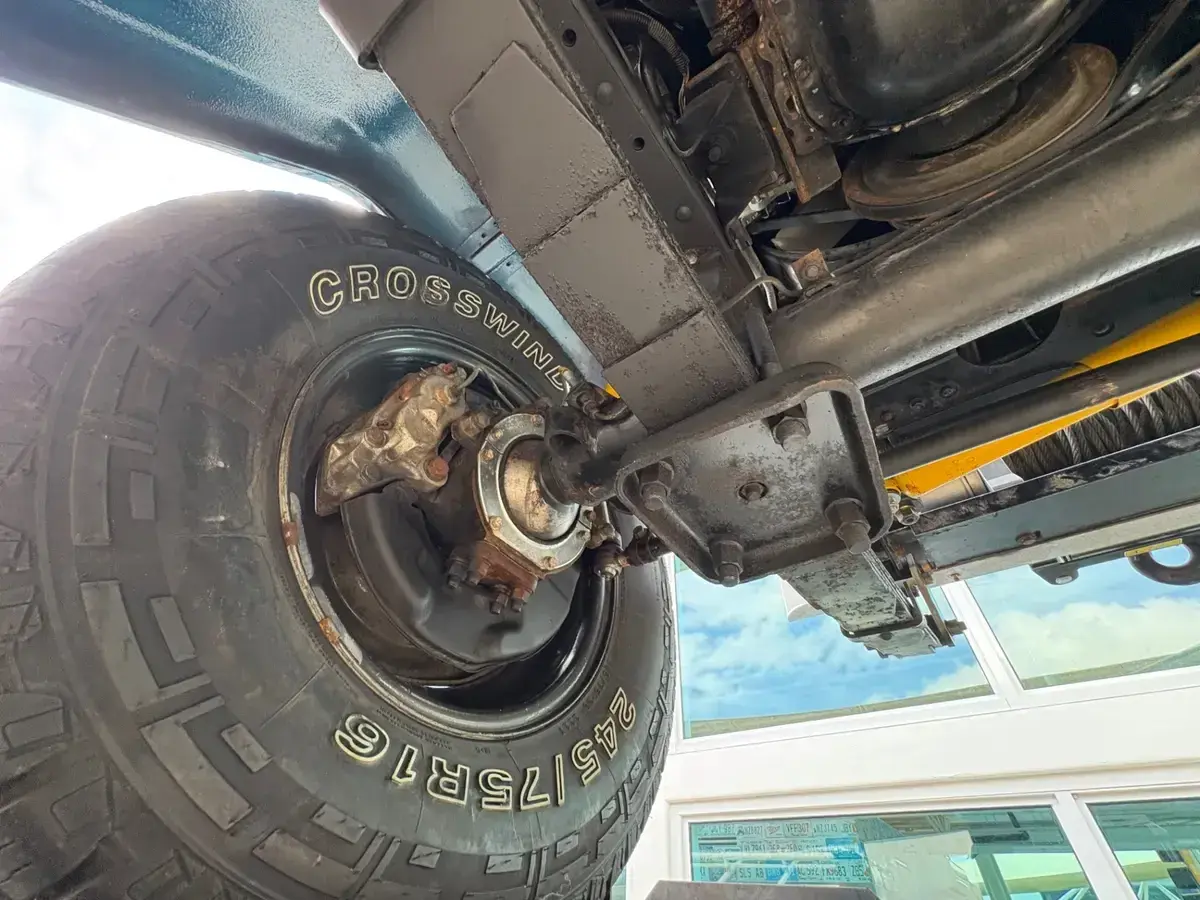
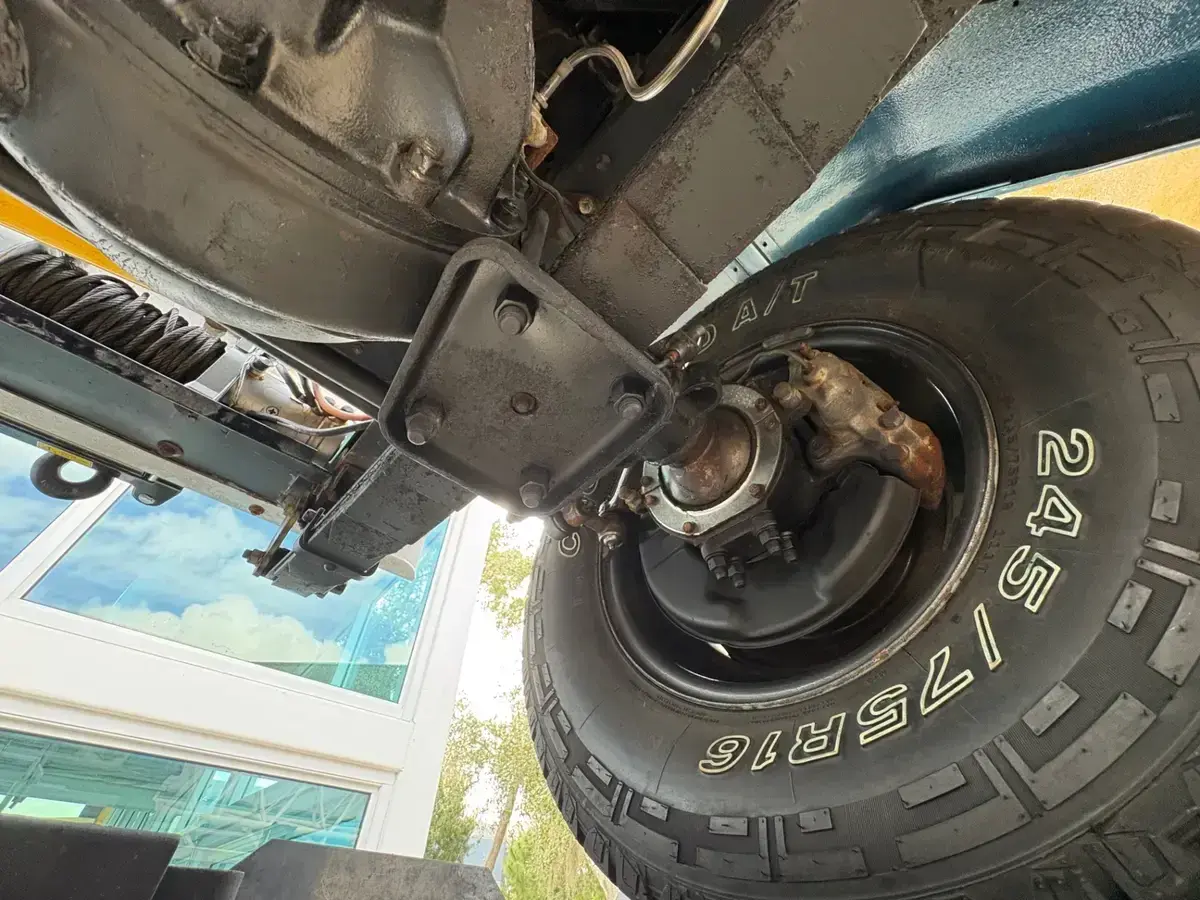
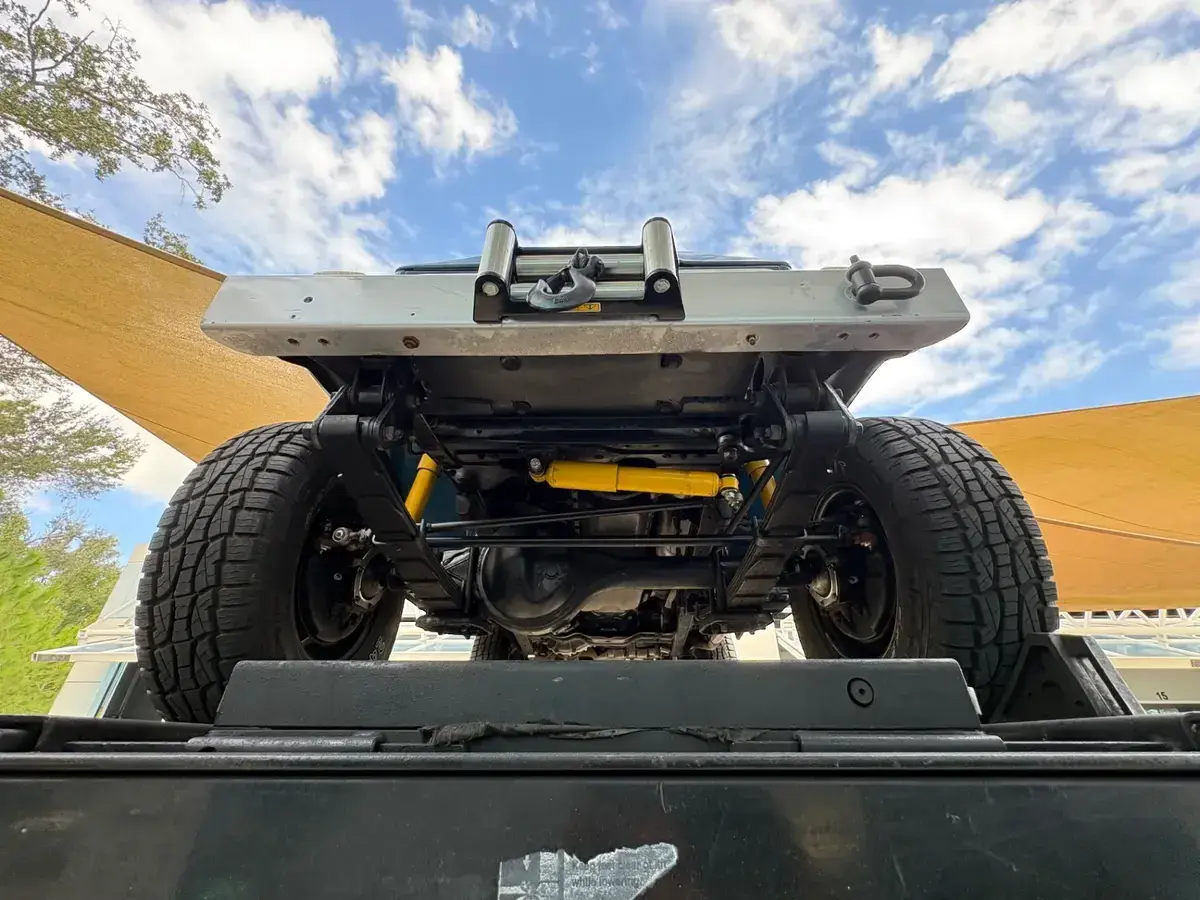
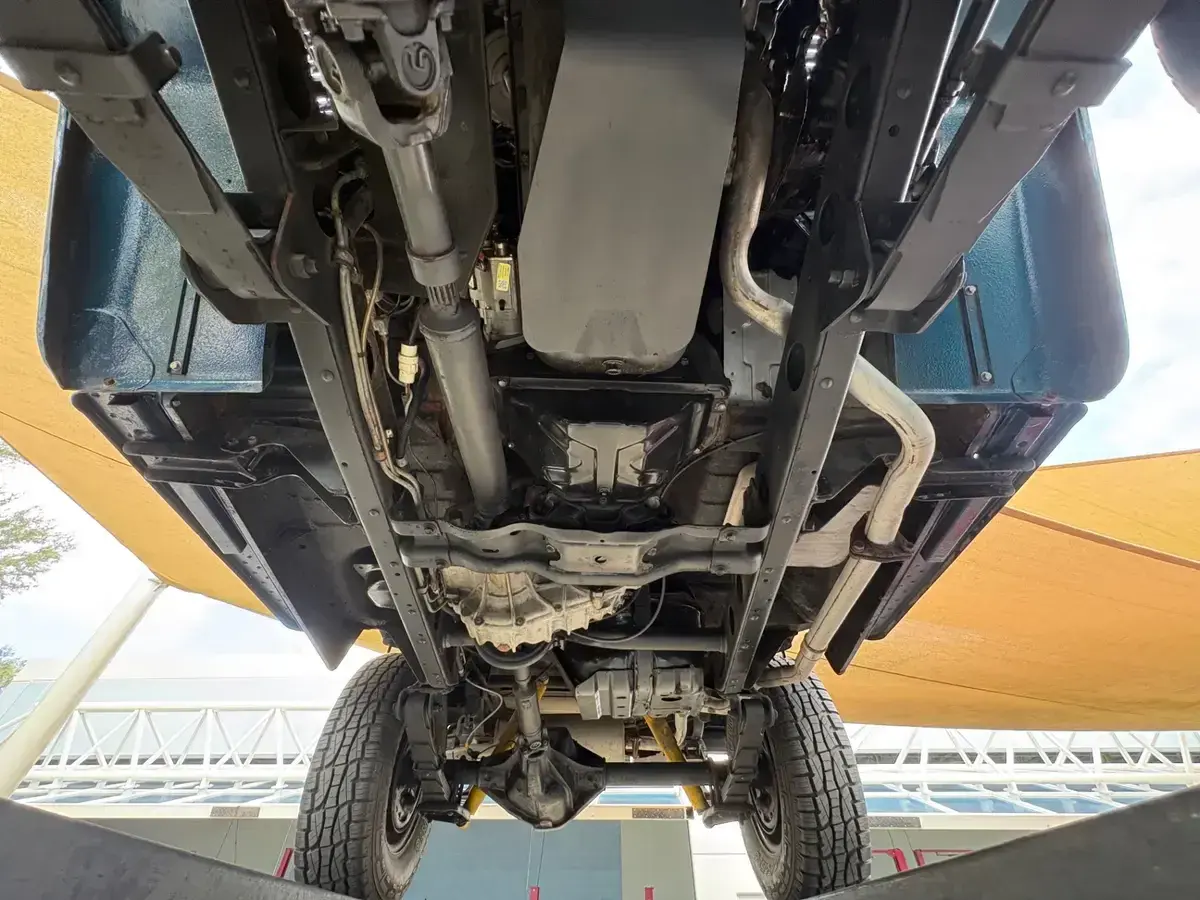
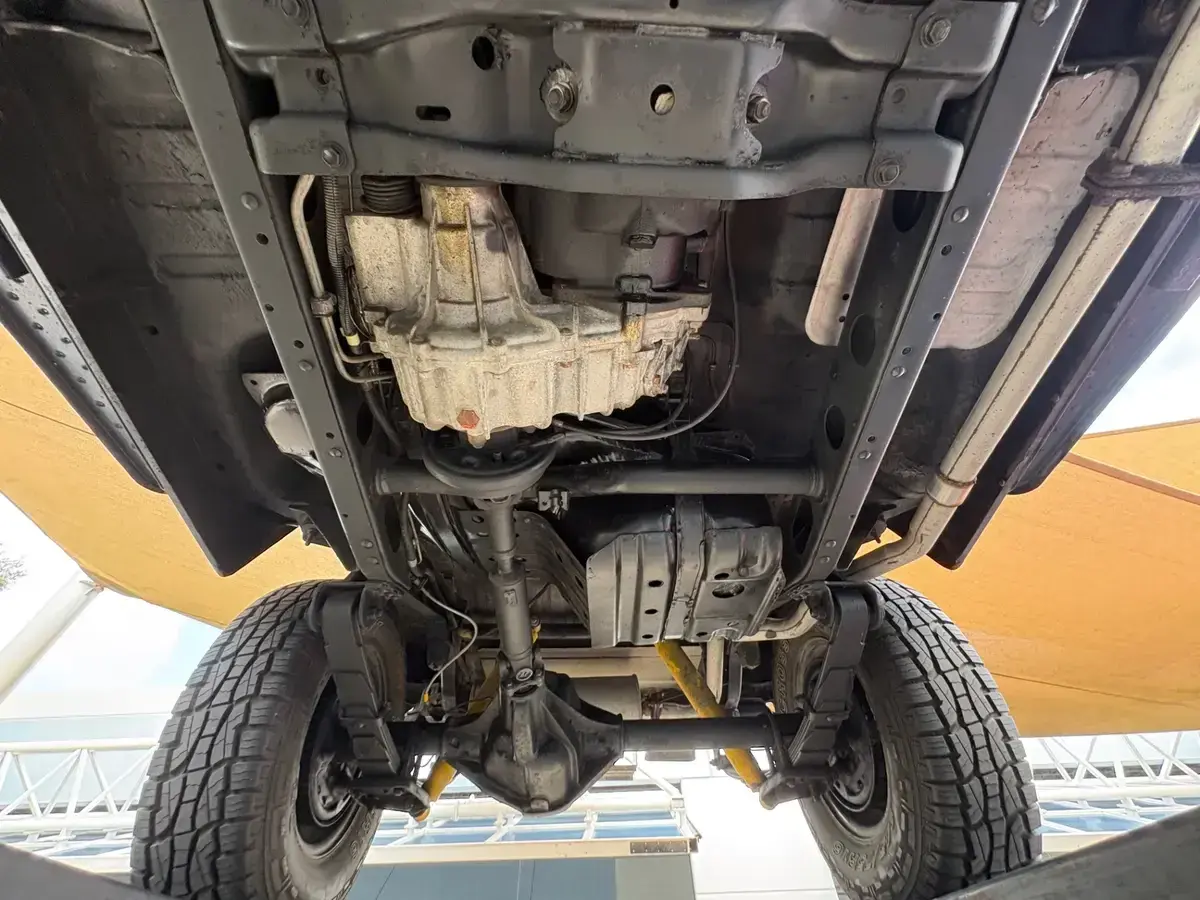
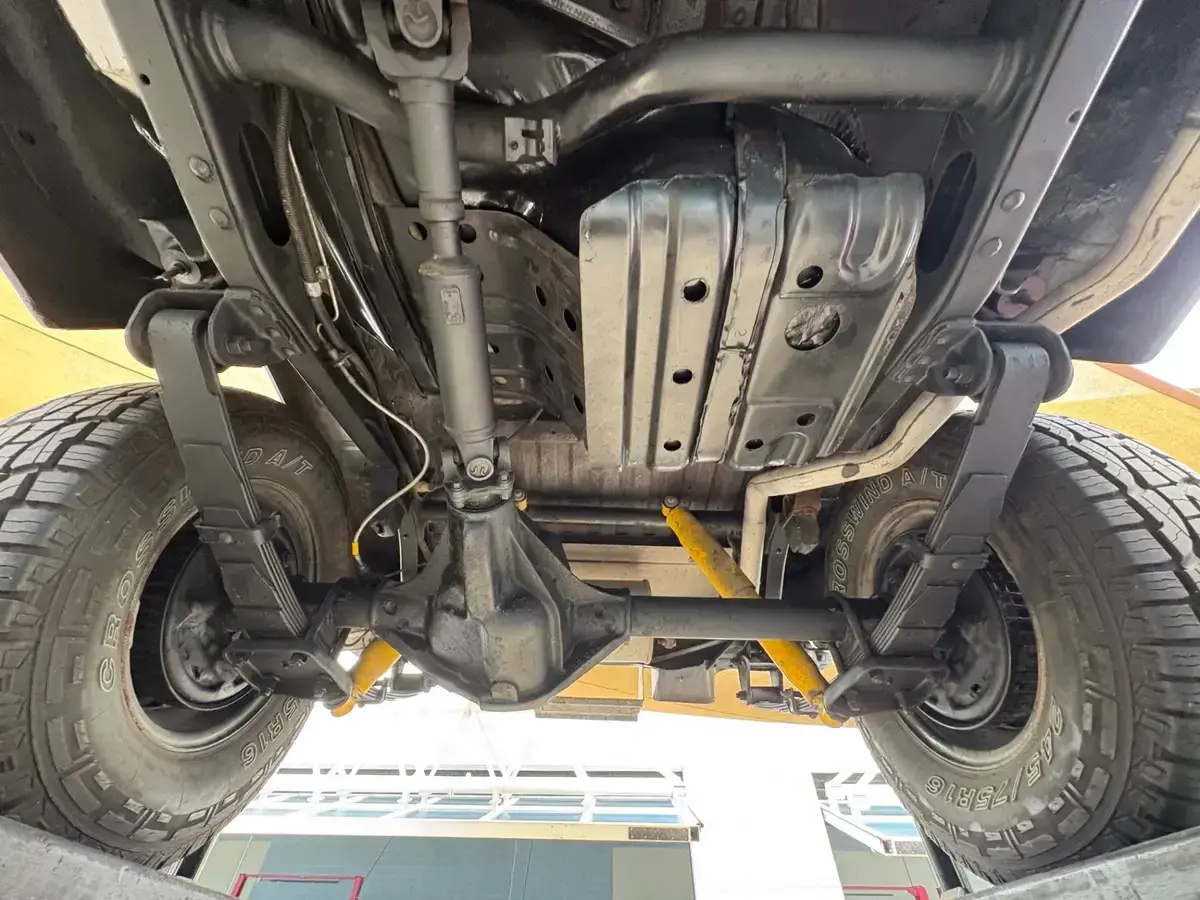
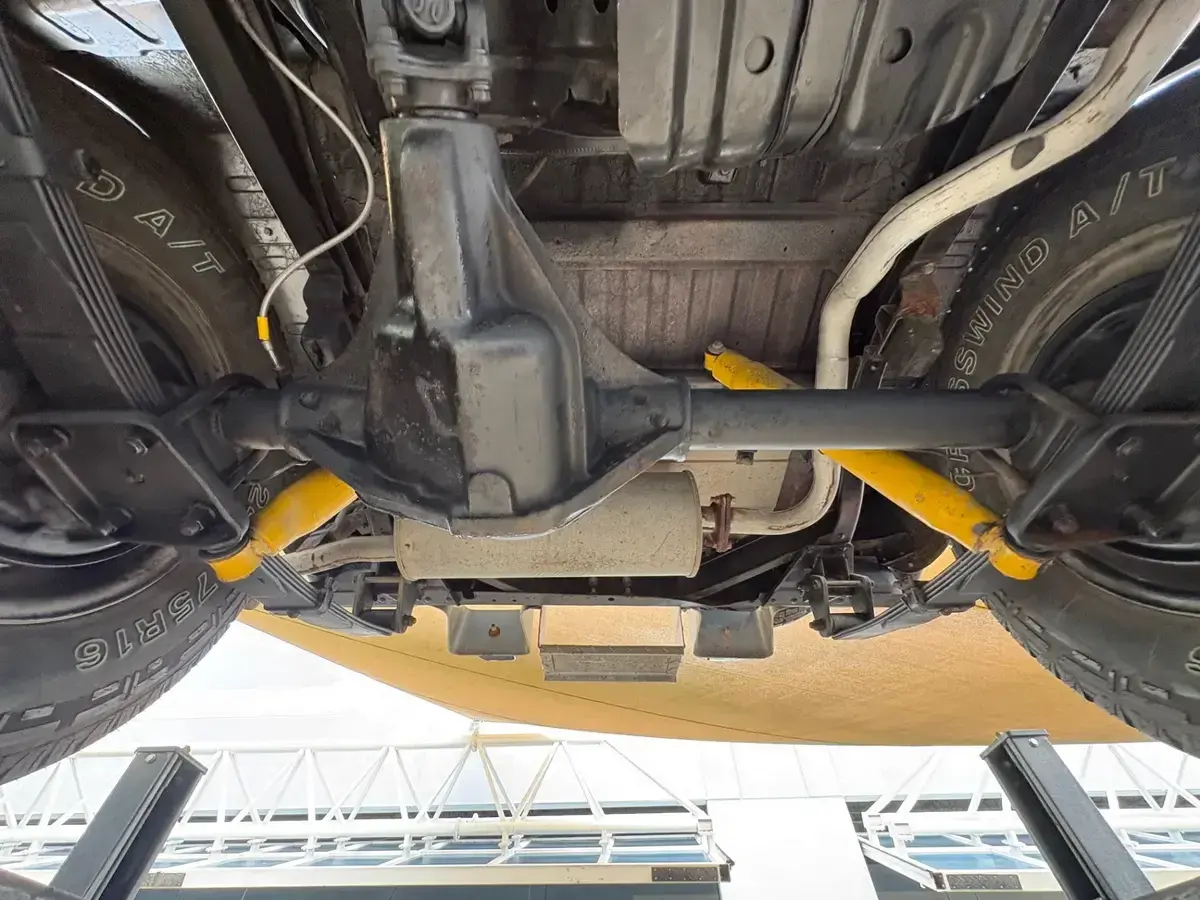
This particular 1984 Toyota Land Cruiser FJ40 has been built up as a functional overland and trail rig. The upgrades are purposeful rather than cosmetic. Every modification on this truck has a job to do. It rides on upgraded suspension, carries a Ramsey 8000 winch up front, and sits on 245/75R16 all-terrain tires. The undercarriage photos tell you a great deal: the frame and floor are clean, the structural components are intact, and nothing underneath looks compromised or patched. For a truck of this age that was designed to be used, the undercarriage condition is one of the most important things to evaluate — and this one holds up.
Features List
- 2F 4.2L Inline-6 engine
- 4-speed manual transmission
- 2-speed transfer case (high and low range 4WD)
- Power steering
- Power brakes with front disc brakes
- Ramsey 8000 lb. winch
- Upgraded aftermarket shock absorbers
- 245/75R16 all-terrain tires
- Steel wheels with trim rings
- Aftermarket front bumper
- Aftermarket rear bumper
- Upgraded LED headlights
- Roll bar
- Running boards
- Rear-mounted spare tire
- Aftermarket bucket seats (front)
- Rear bench seats
- Center console
- Aftermarket AM/FM radio
- Gray leather interior
- Clean undercarriage
- FJ40 body stamp visible
Mechanical
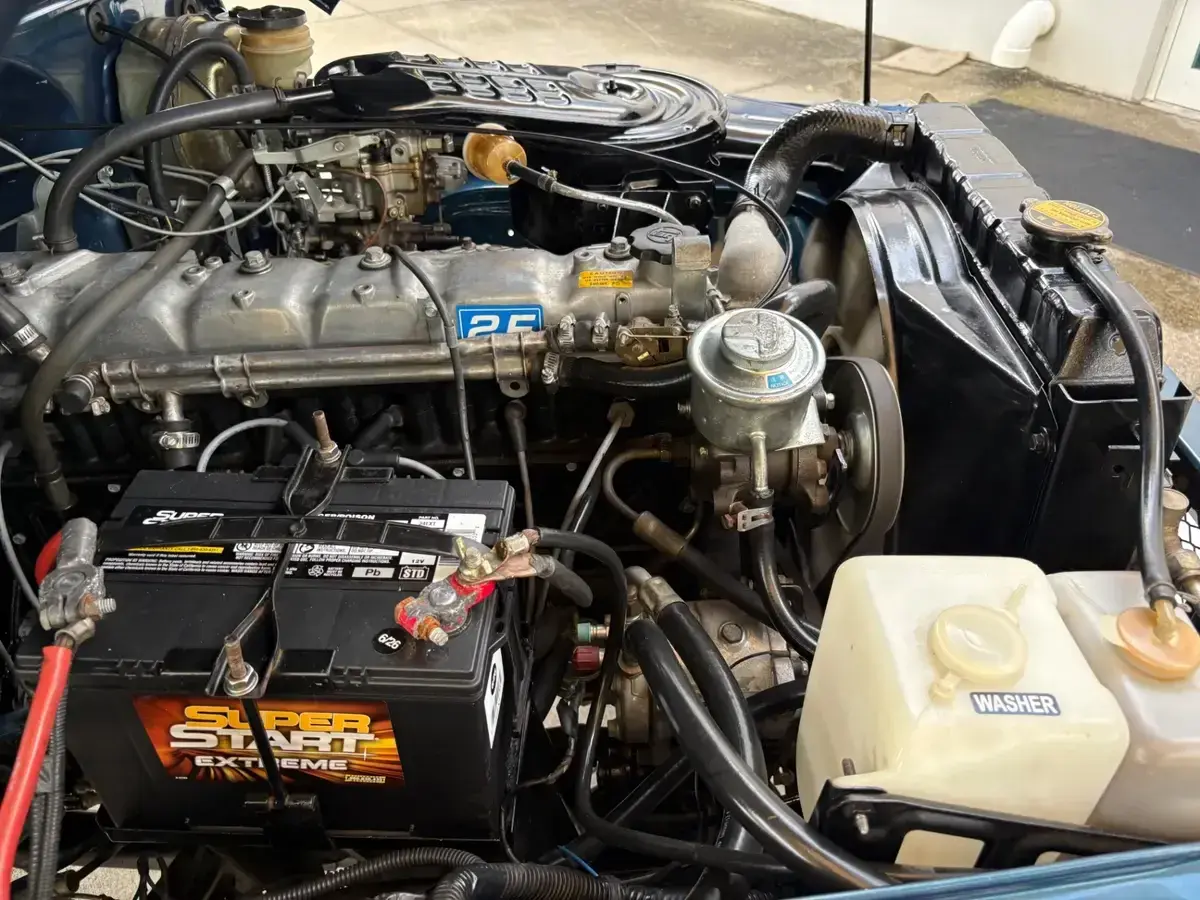
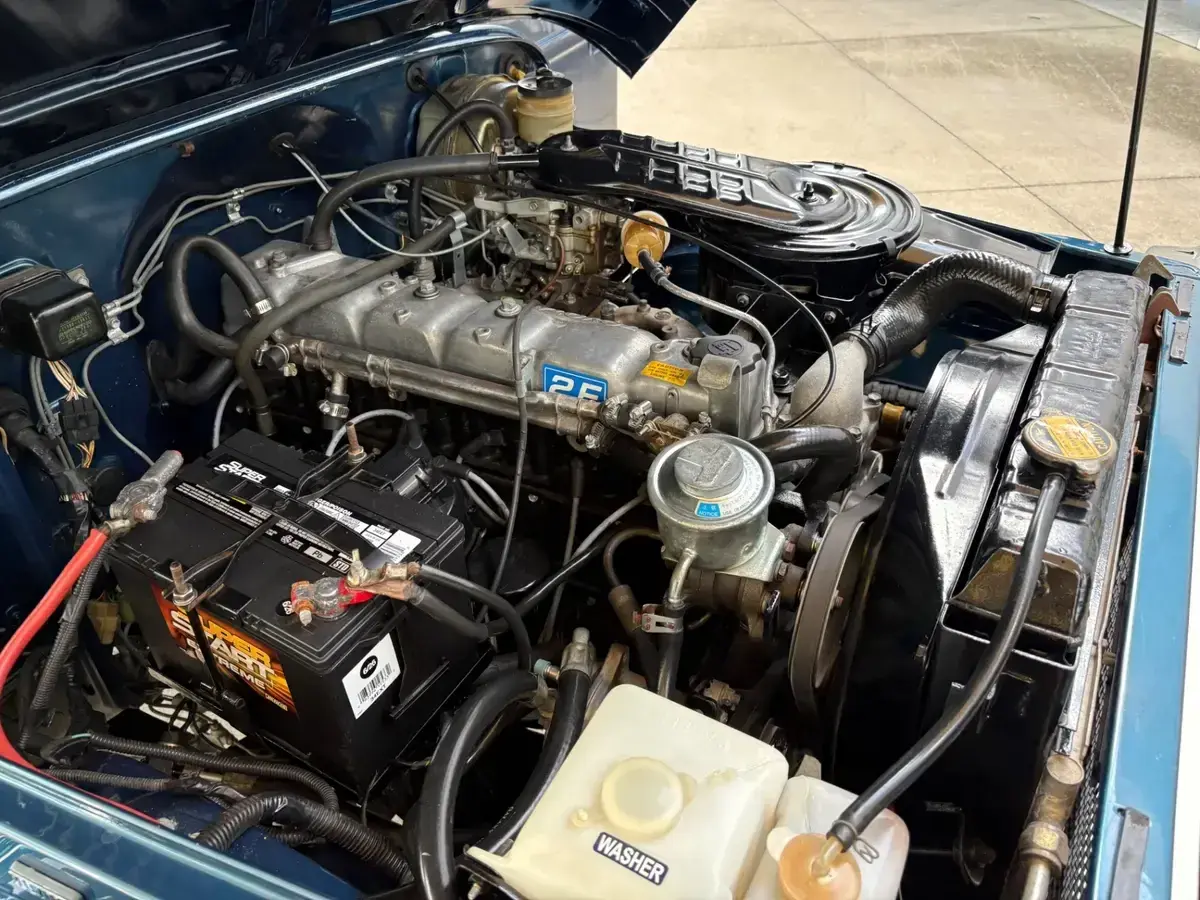
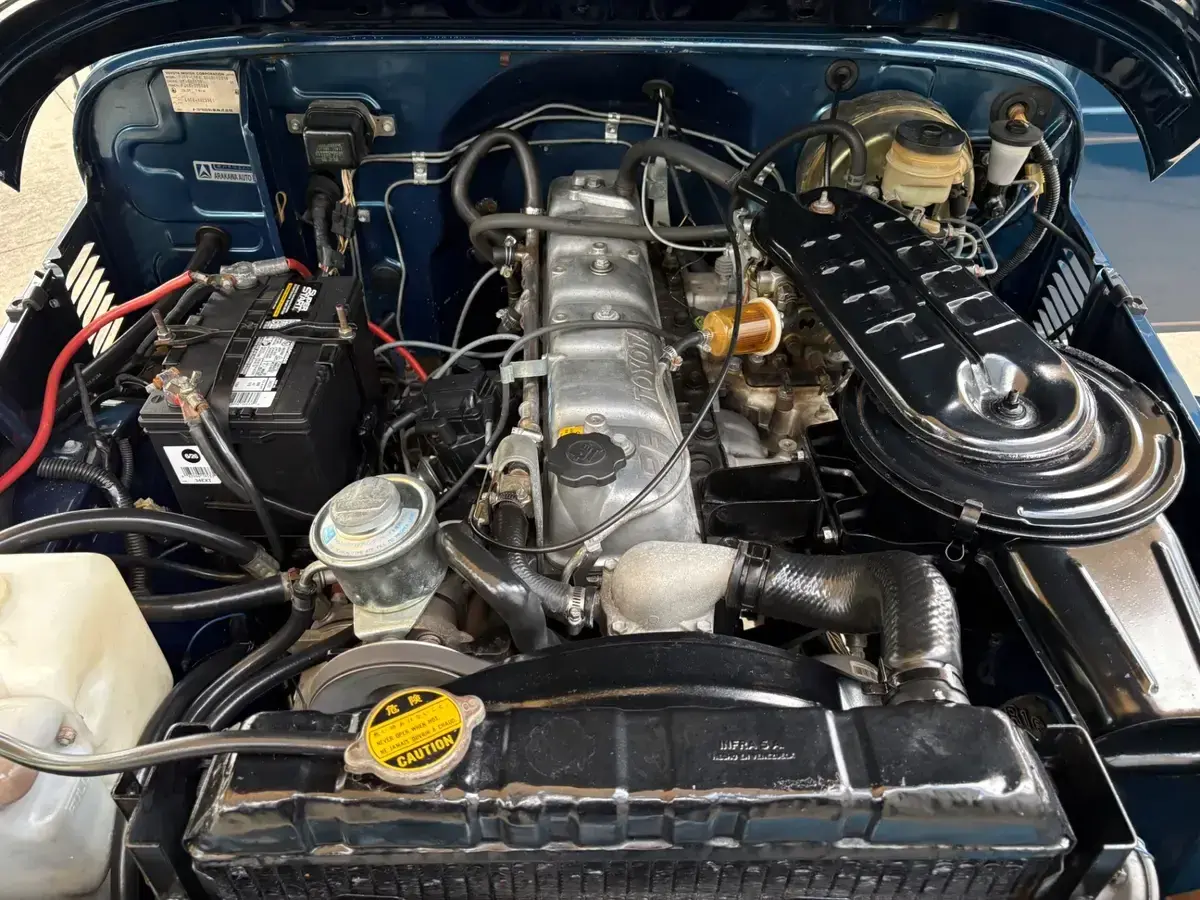
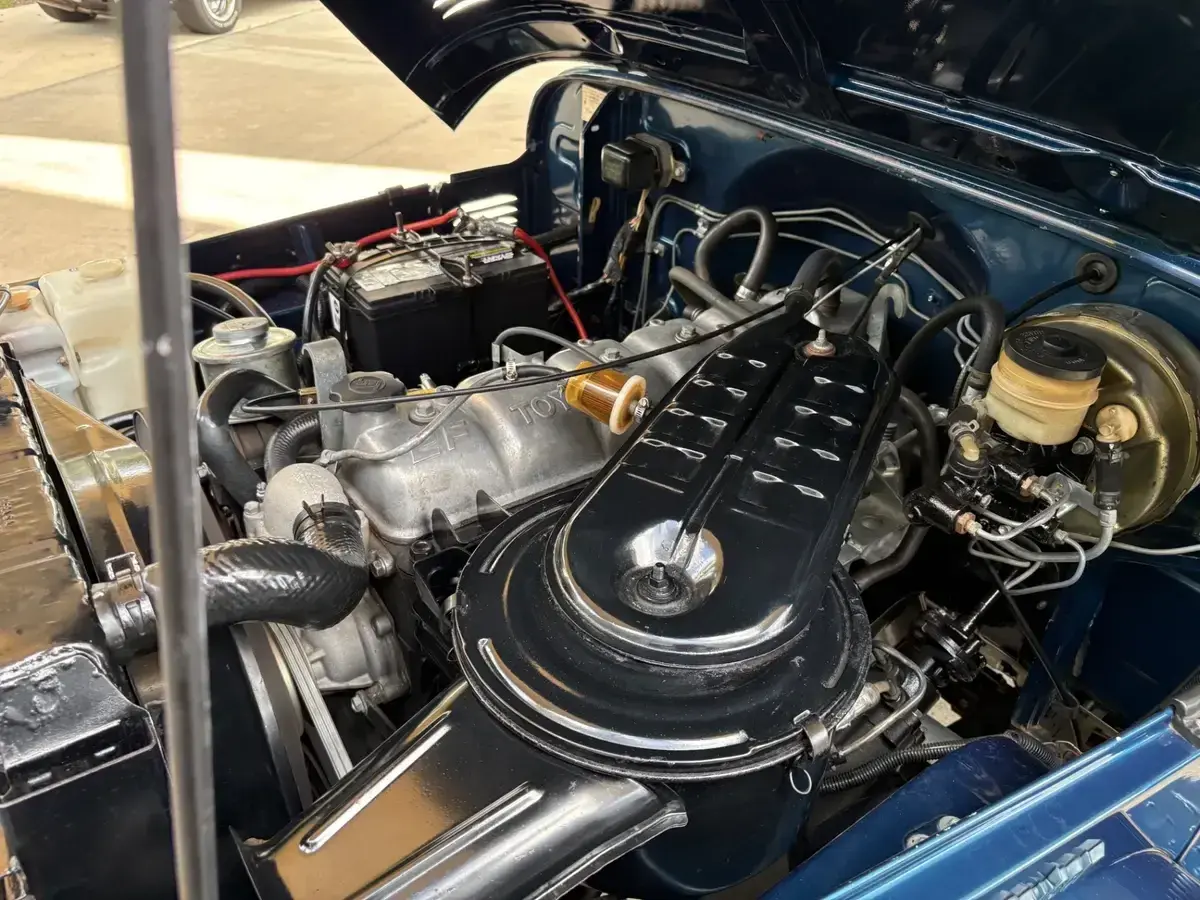
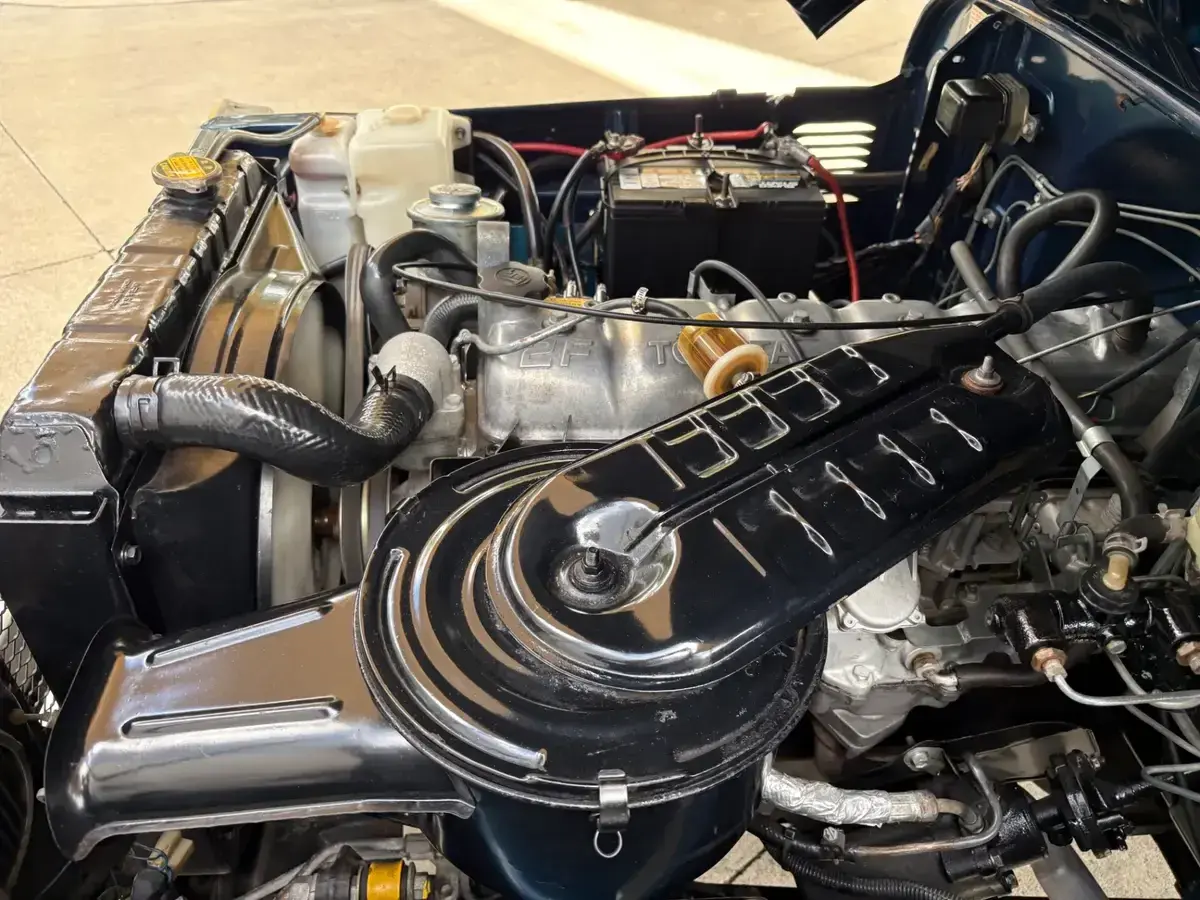
Under the hood sits Toyota's 2F 4.2-liter inline-six, the engine that powered FJ40s through most of their American production run. The 2F is a long-stroke, cast-iron unit known for low-end torque and exceptional longevity when maintained. It is not a performance engine by any modern measure — Toyota rated it at around 135 horsepower and 210 lb-ft of torque in U.S. specification — but it produces its torque at low RPM, which is exactly what you want in a trail vehicle. The engine bay in the photos is tidy. The valve cover, air cleaner, and ancillaries are presentable, and the engine identification badge is clearly visible.
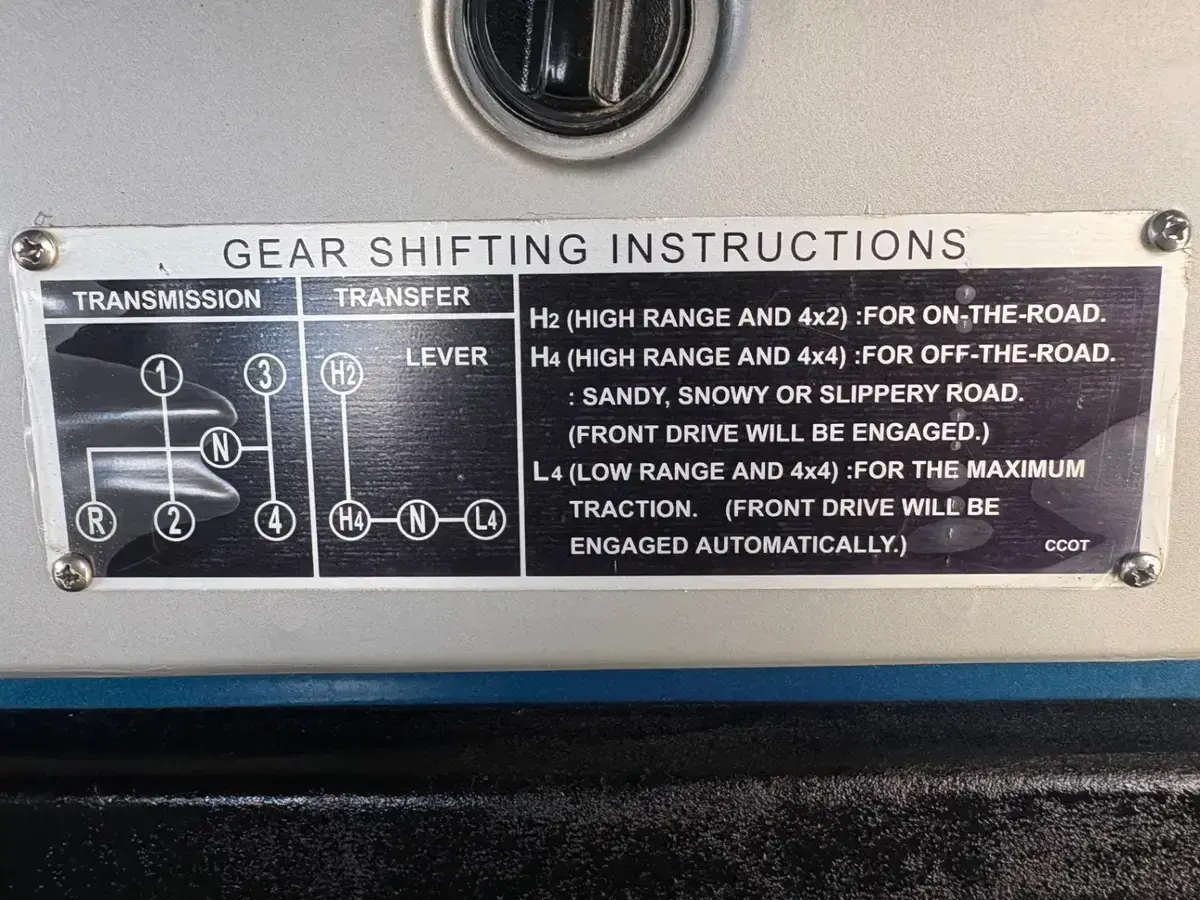
Backing the 2F is a 4-speed manual gearbox connected to a 2-speed transfer case, giving the driver both high and low range four-wheel drive. This is the correct, direct mechanical arrangement the FJ40 was known for — no electronic selectors, no computer intervention. Power steering and power brakes are fitted, the latter with front disc brakes, which was a meaningful improvement over the drum-front setup found on earlier FJ40s. The truck has been fitted with upgraded aftermarket shock absorbers, visible in the undercarriage photos as yellow-bodied units at all four corners. The axles and differentials are the FJ40's original solid front and rear units, and the undercarriage photos confirm they are intact and show no evidence of serious damage or rust rot.
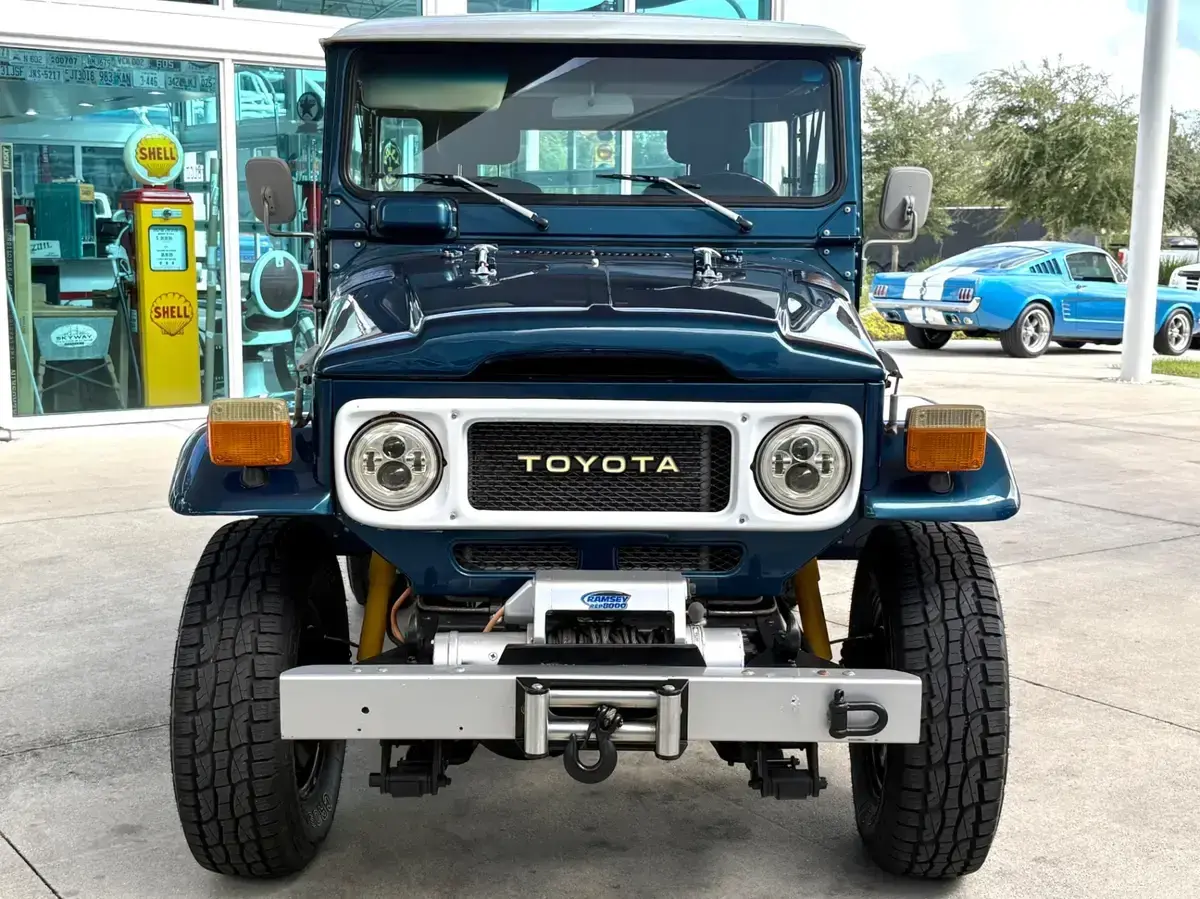
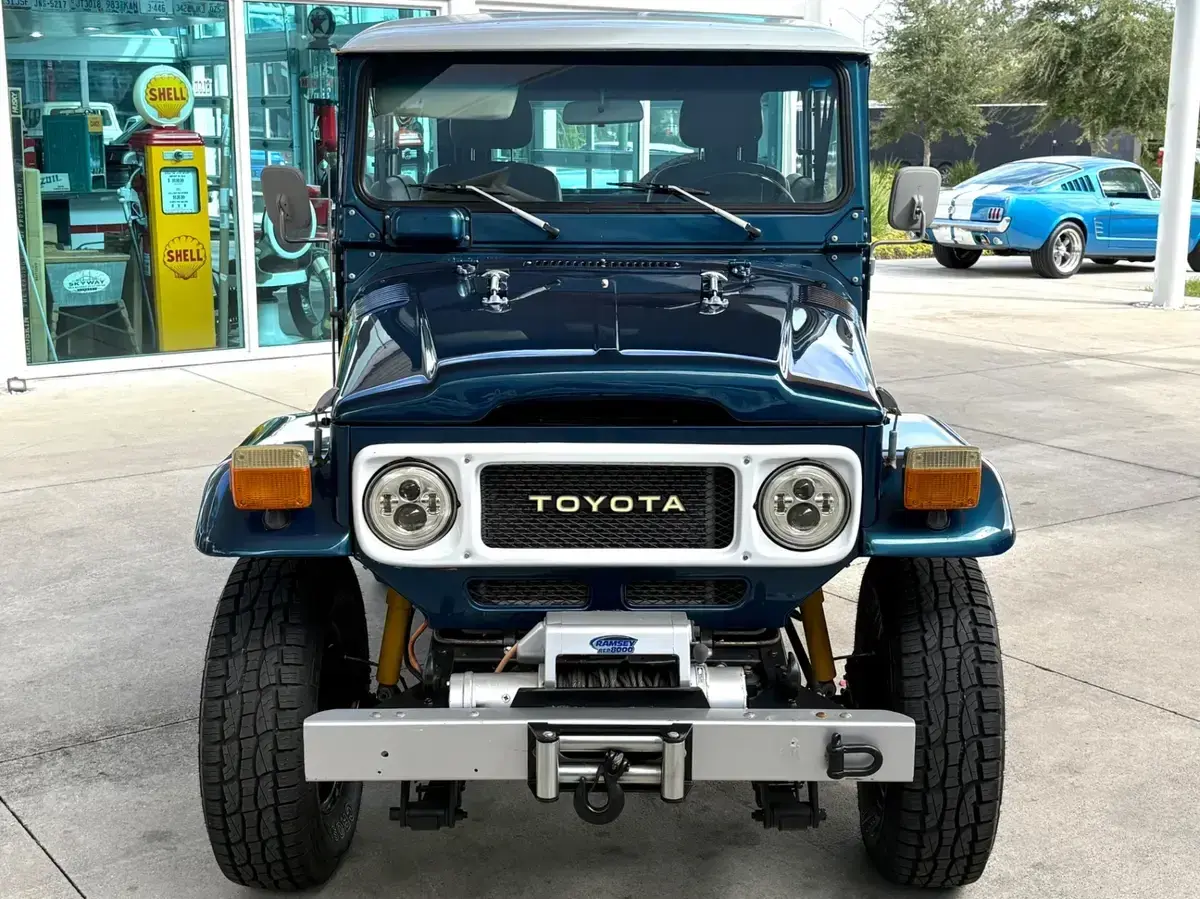
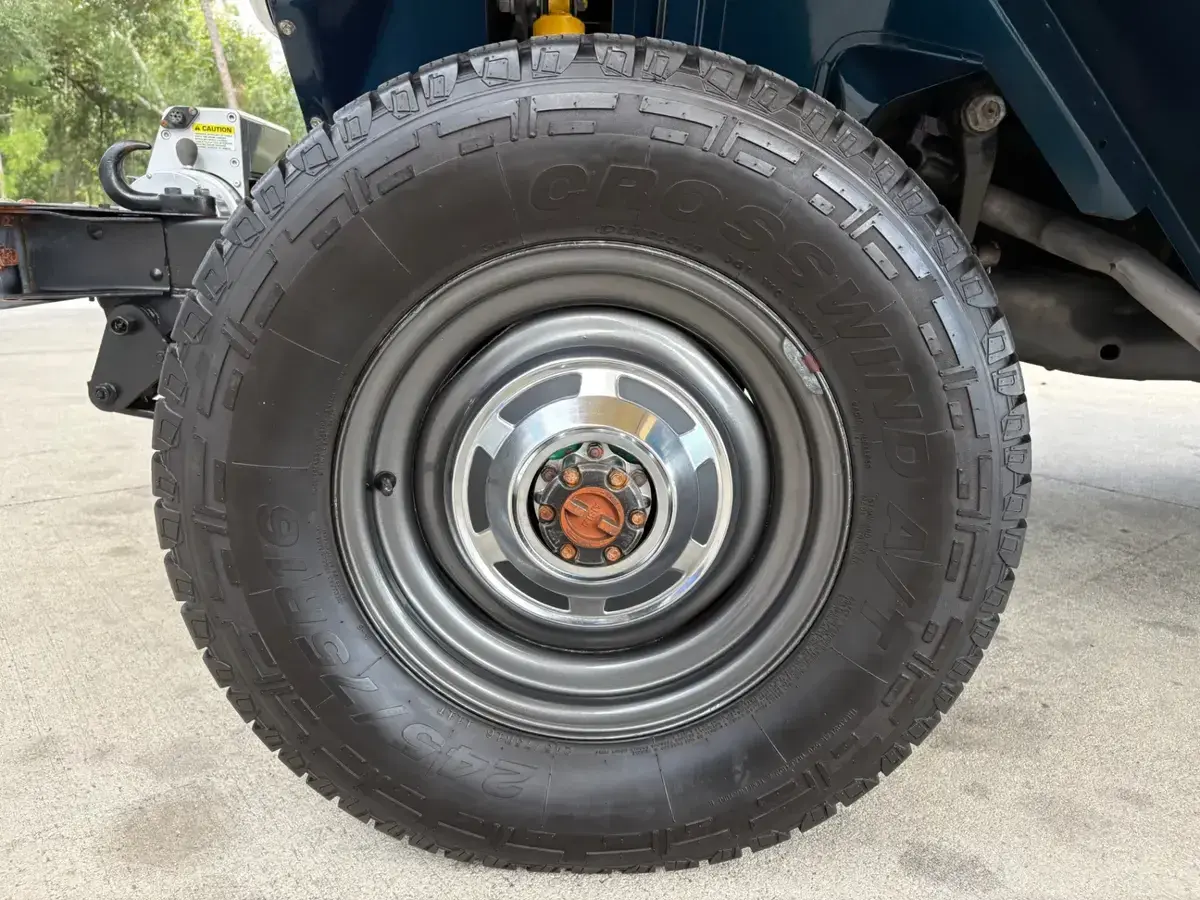
The Ramsey 8000 winch mounted to the front bumper is a functional tool, not decoration. Ramsey has been a recognized name in winch manufacturing for decades, and the 8,000 lb. line pull rating is appropriate for the weight of a stock FJ40, which sits around 3,700 to 3,900 lbs. The winch cable appears to be steel wire rope, correctly spooled on the drum. The 245/75R16 all-terrain tires are a sensible size for this platform — large enough for trail use without creating clearance issues or putting excessive stress on the drivetrain.
Interior
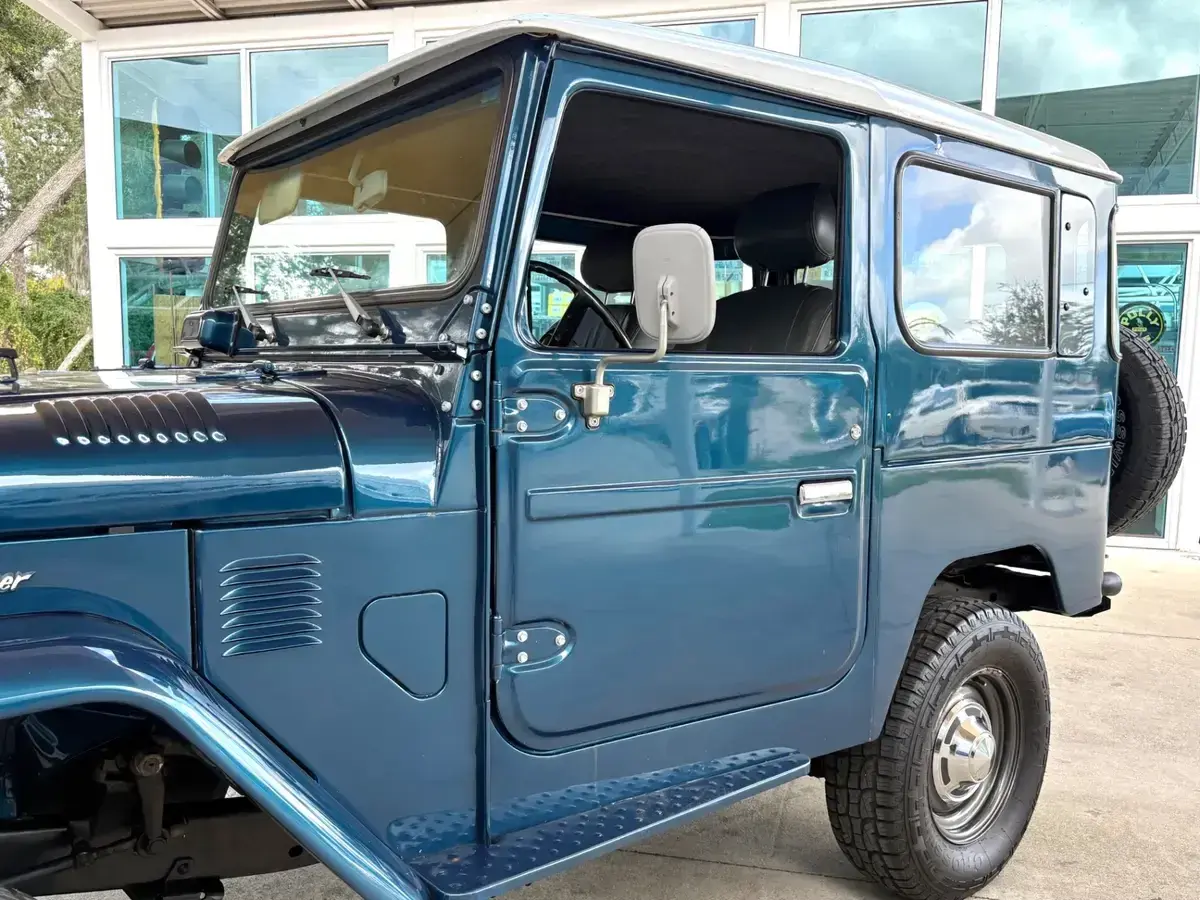
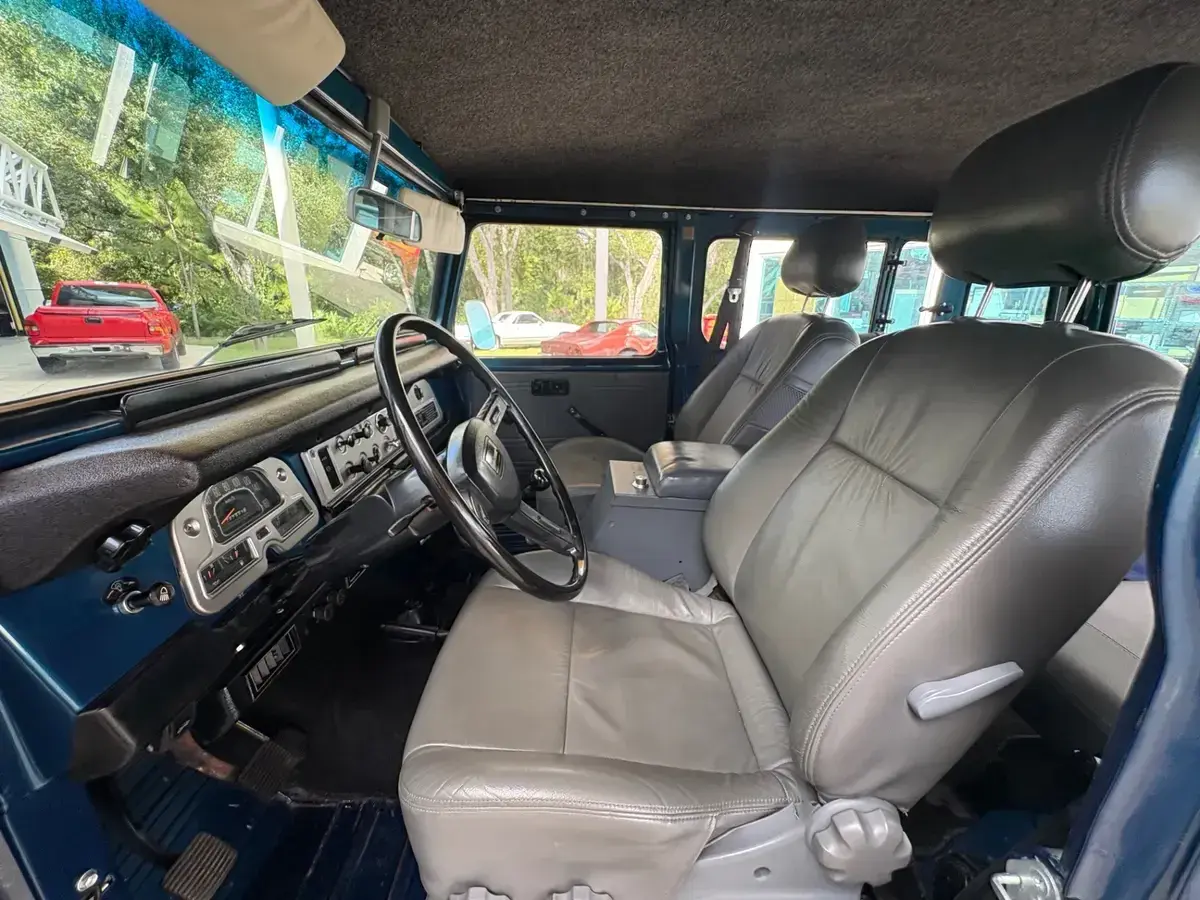
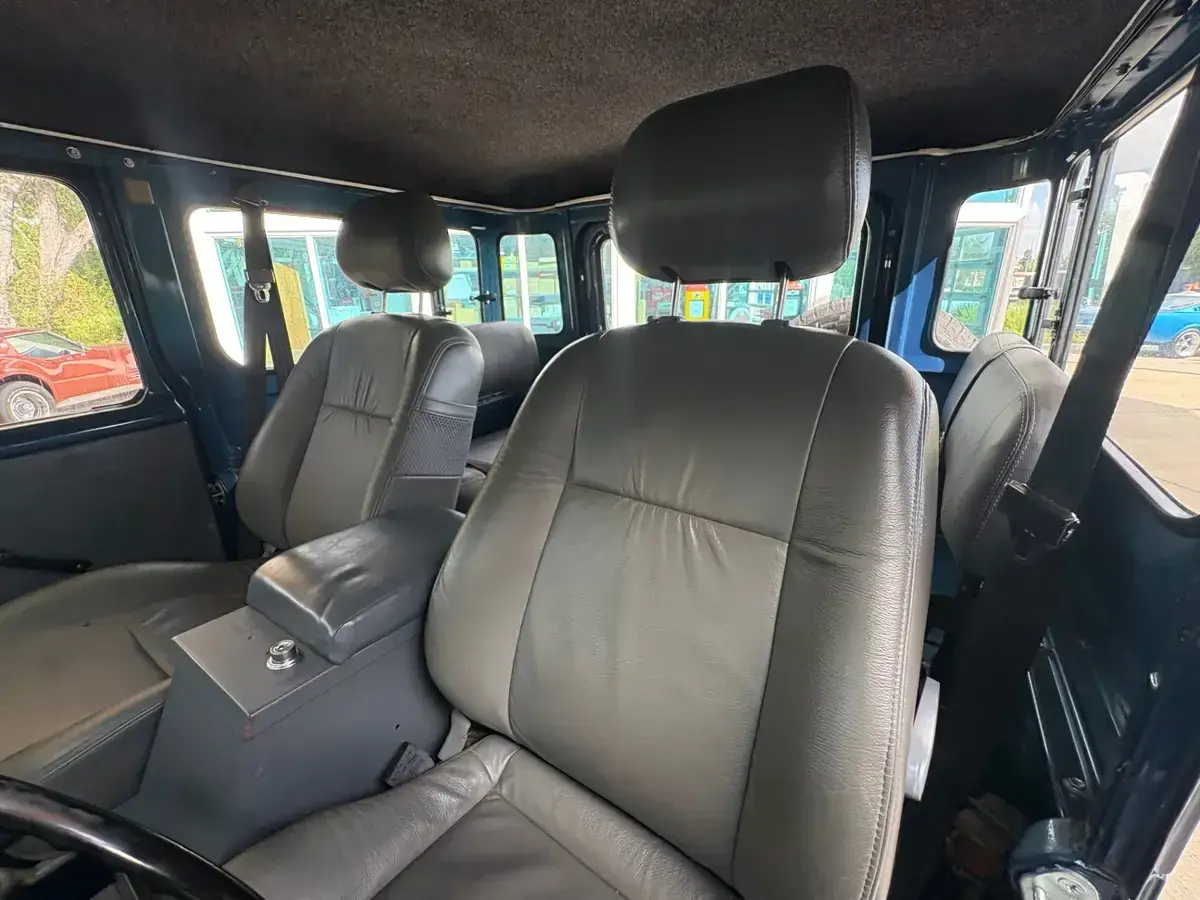
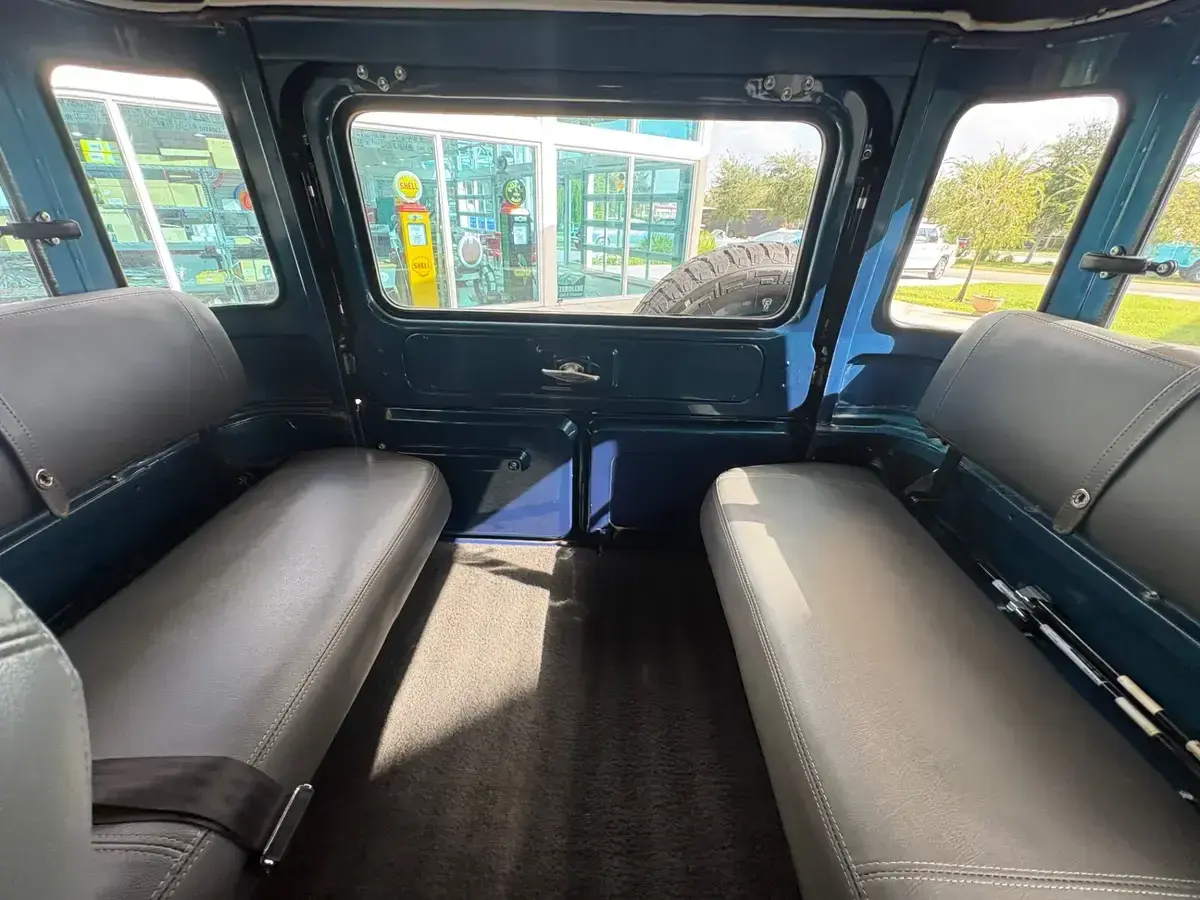
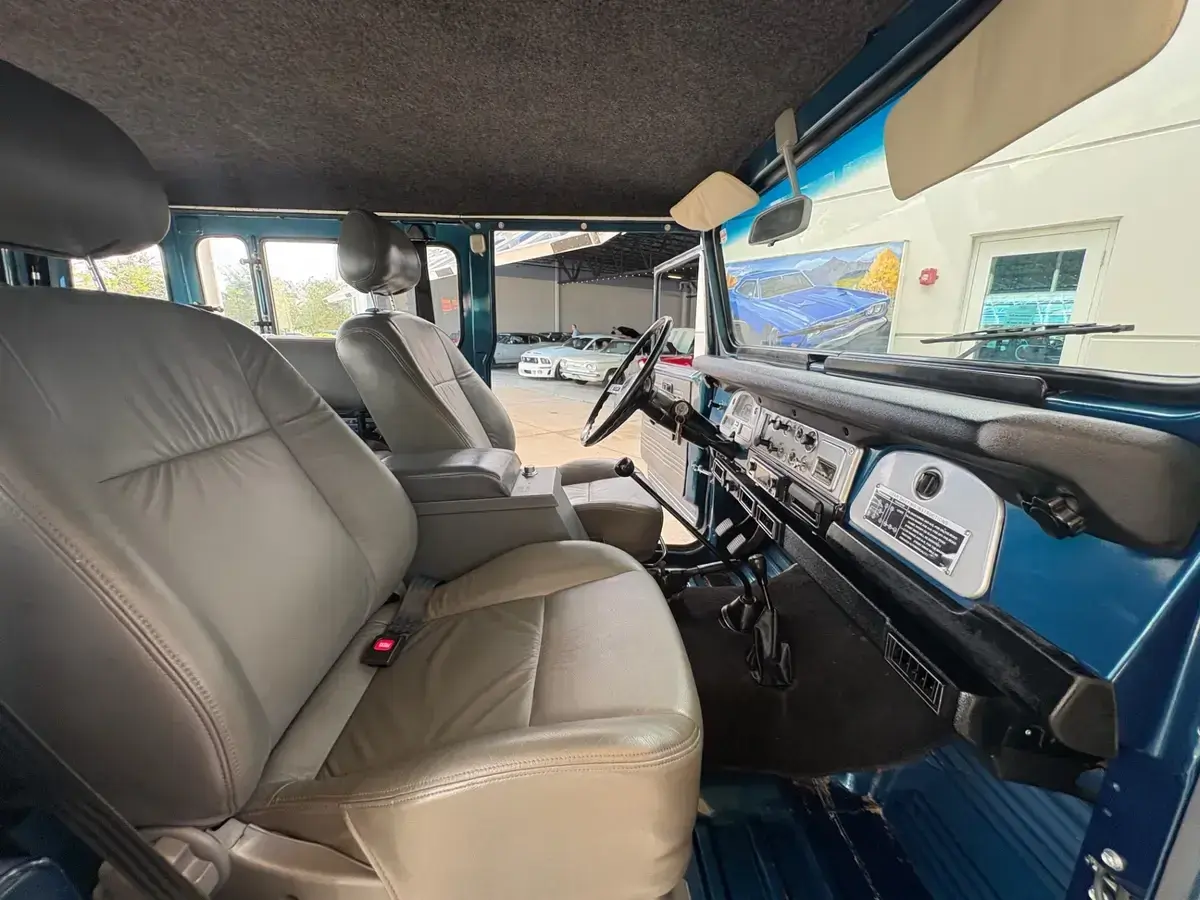
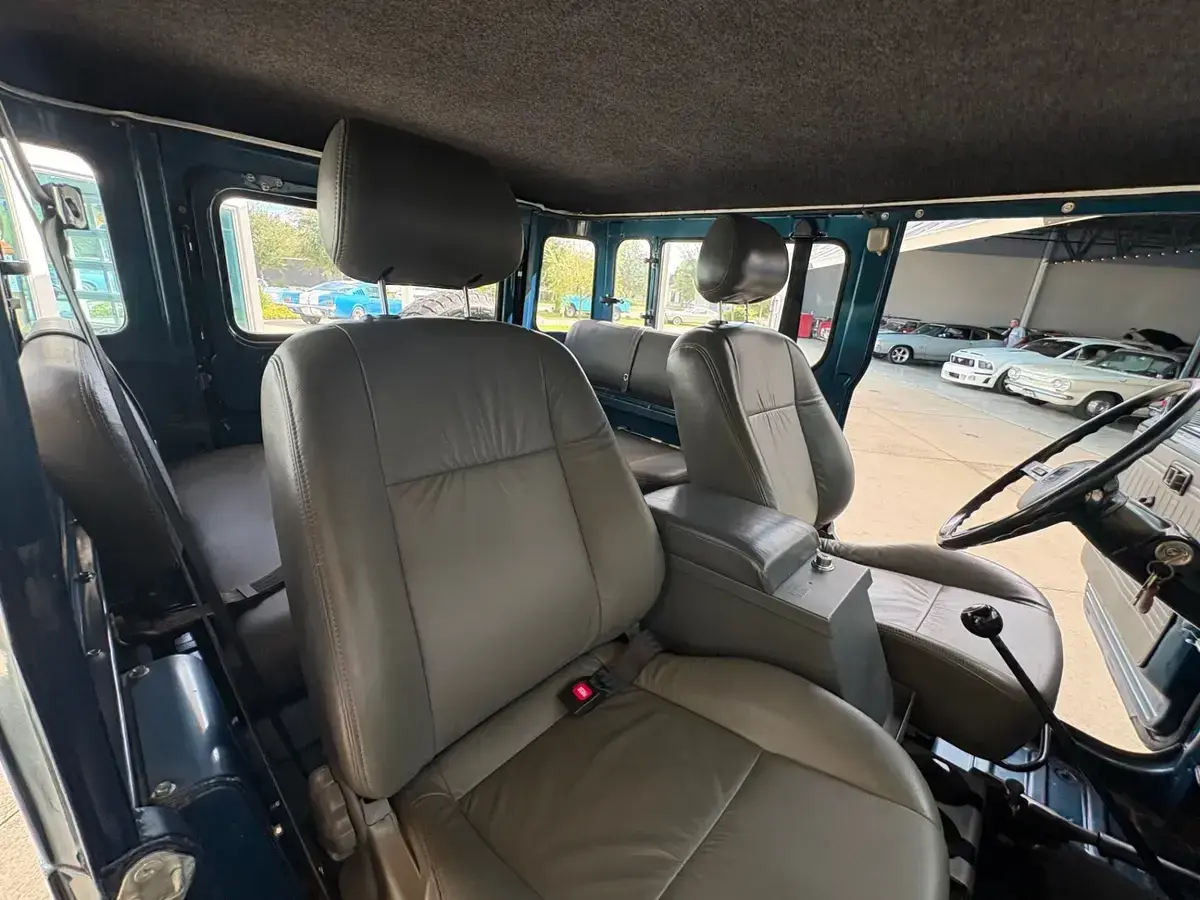
The interior of this 1984 Toyota Land Cruiser FJ40 has been updated with a set of aftermarket high-back bucket seats in gray leather, replacing the original bench arrangement up front. The seats show the kind of wear you expect from regular use — broken in without being damaged. A center console sits between the buckets, which required relocating the original floor-mounted shifter setup, and it provides a practical storage and armrest solution. The rear bench seats are in place, allowing this truck to carry passengers in the back.
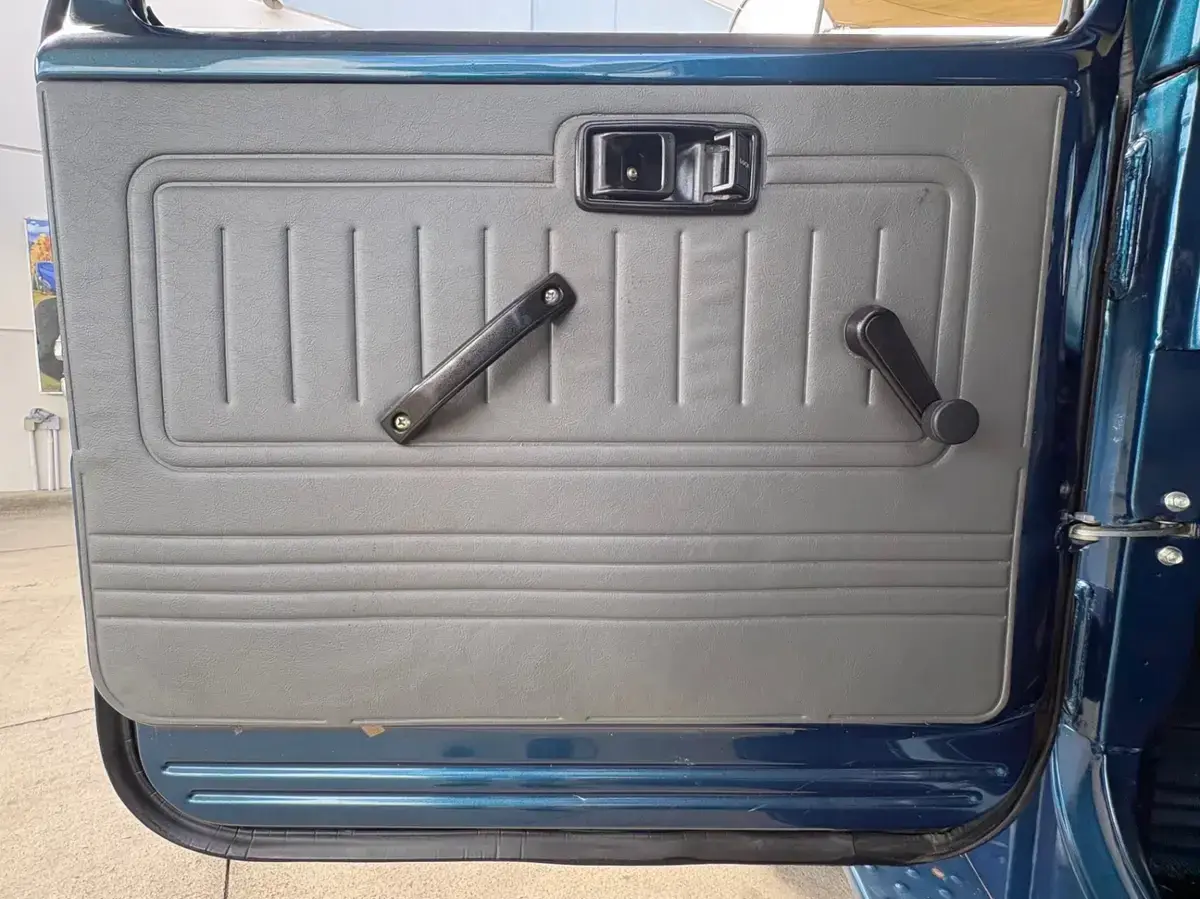
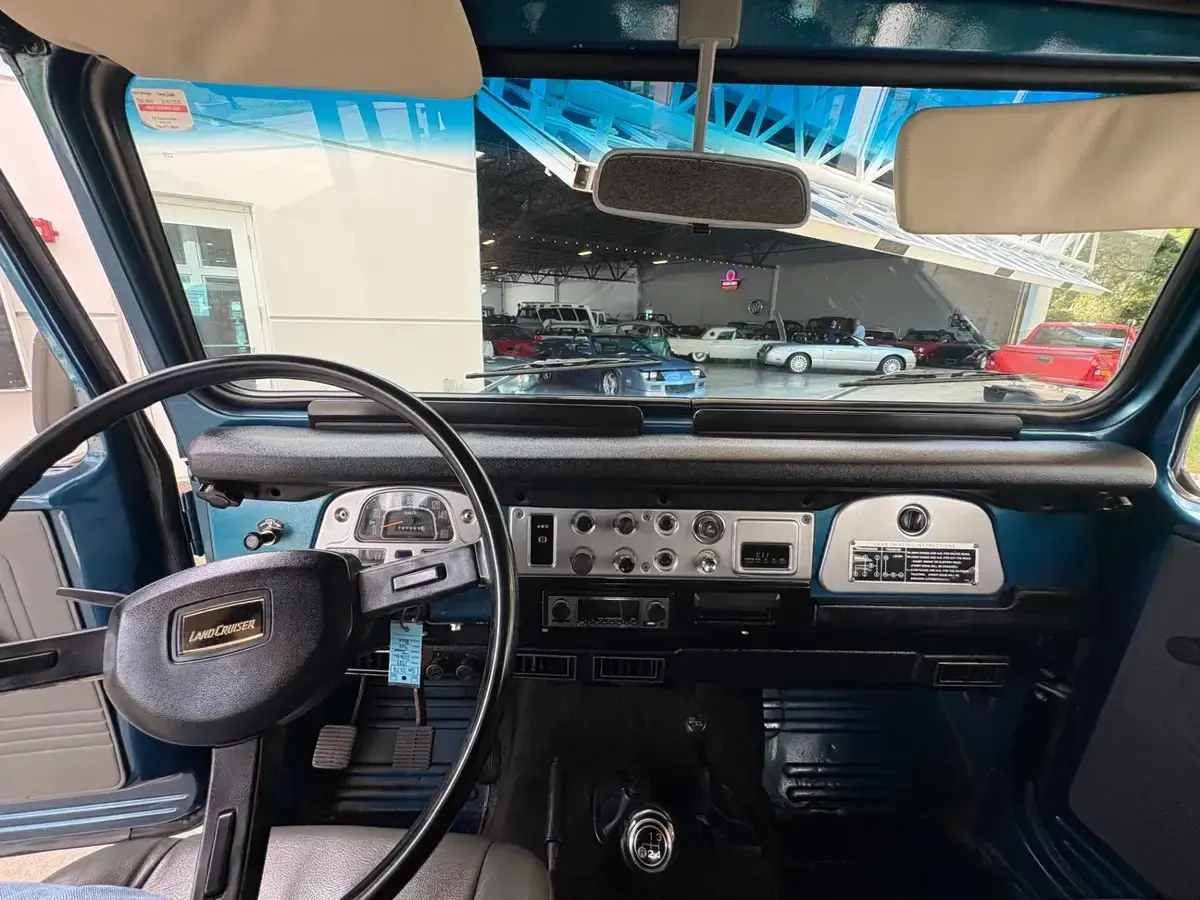
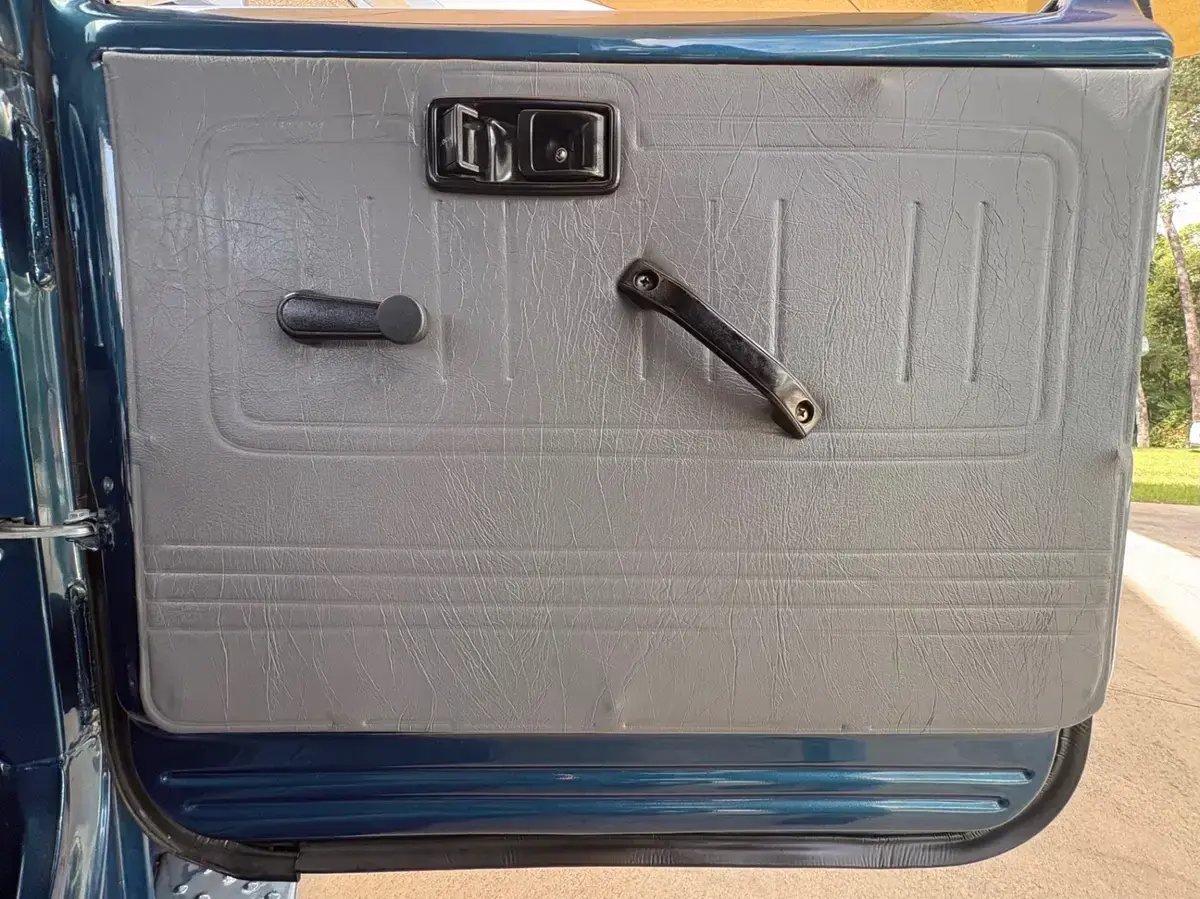
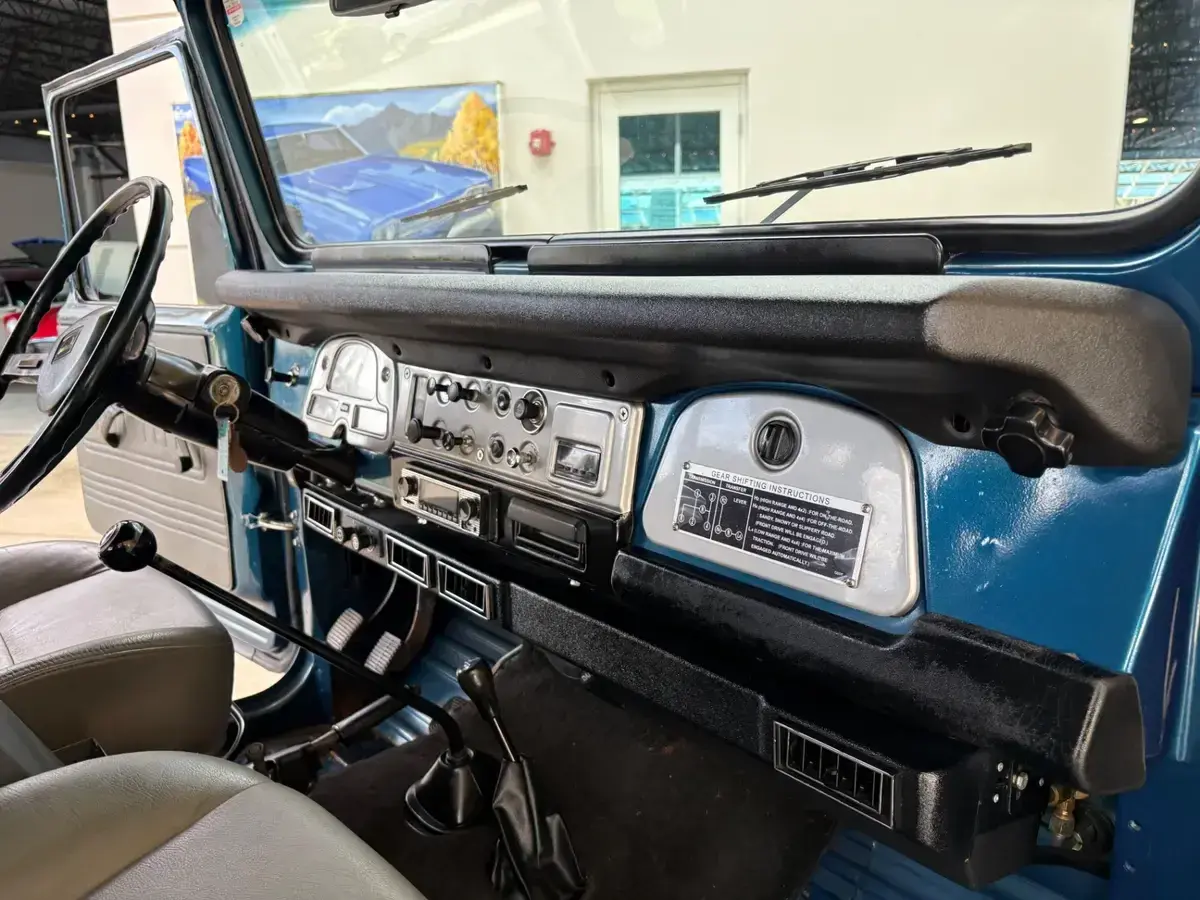
The dashboard is essentially correct to the FJ40 specification, with the original instrument cluster, toggle switch panel, and the factory 4WD instruction placard still affixed to the right side of the dash. The steering wheel carries the Land Cruiser logo badge on the hub. An aftermarket AM/FM radio has been fitted in the center dash position, keeping the install clean without cutting into original sheet metal. The door panels are gray vinyl, matching the overall interior color scheme, and show light surface wear consistent with the vehicle's age and use. The headliner appears intact and the overall cabin is free of structural rot or water intrusion damage.
The odometer, visible in the photos at 247,993 km, is in kilometers — take note when evaluating this truck's history.
Exterior
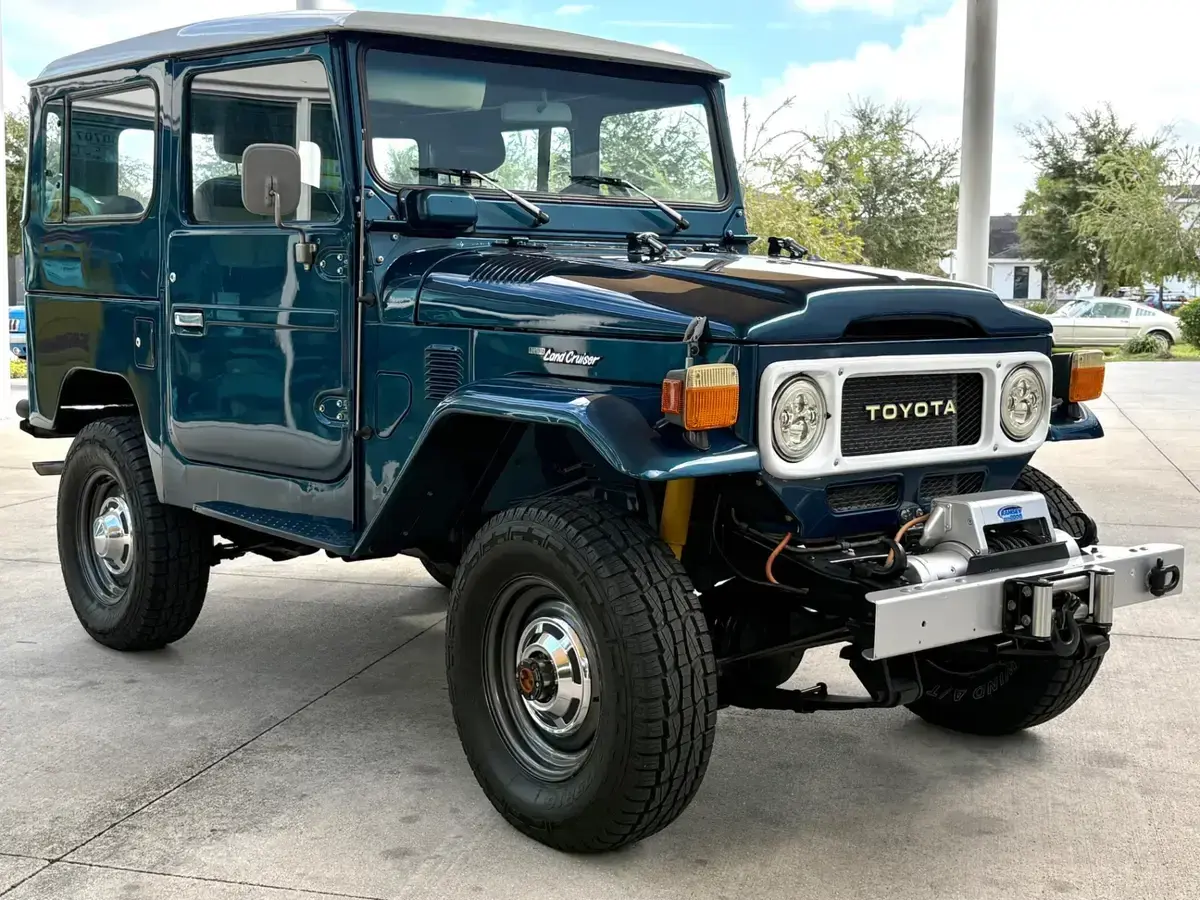
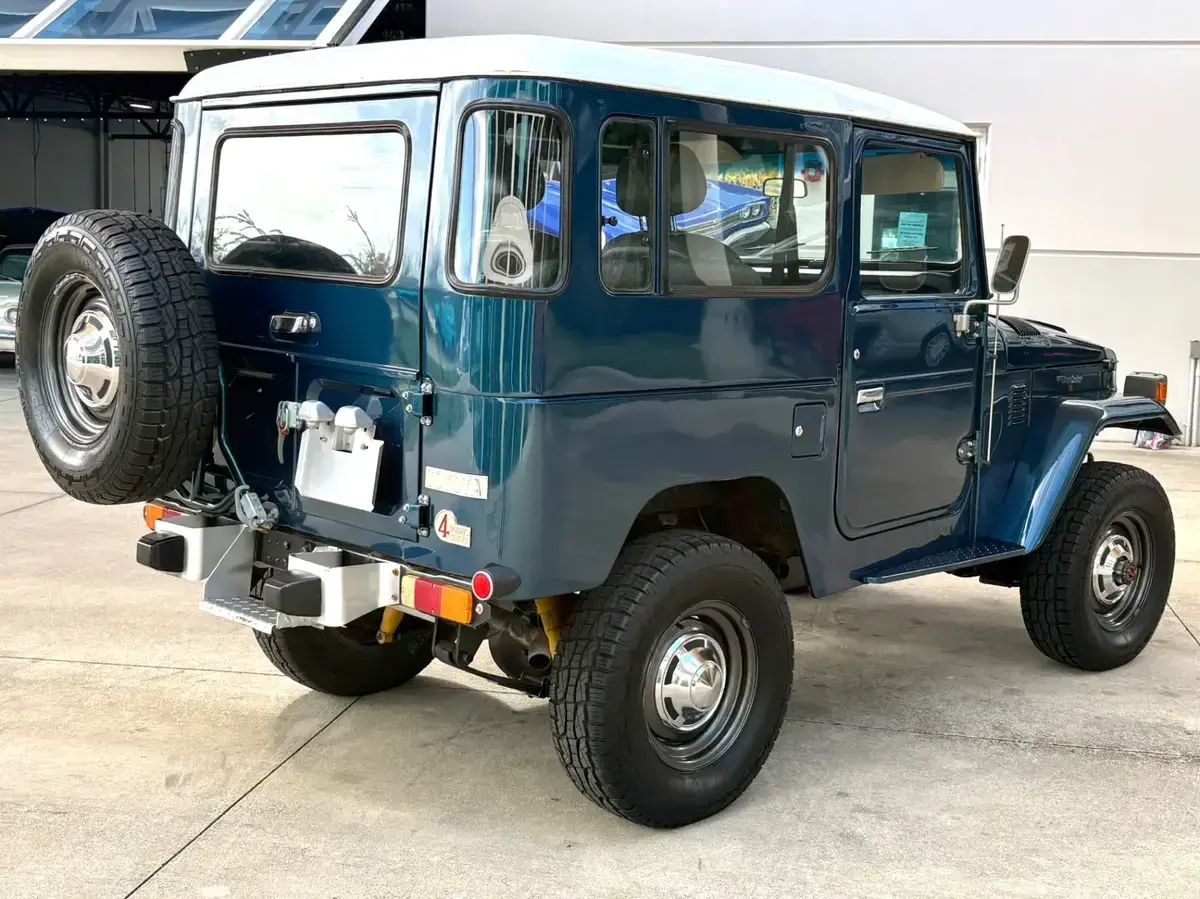
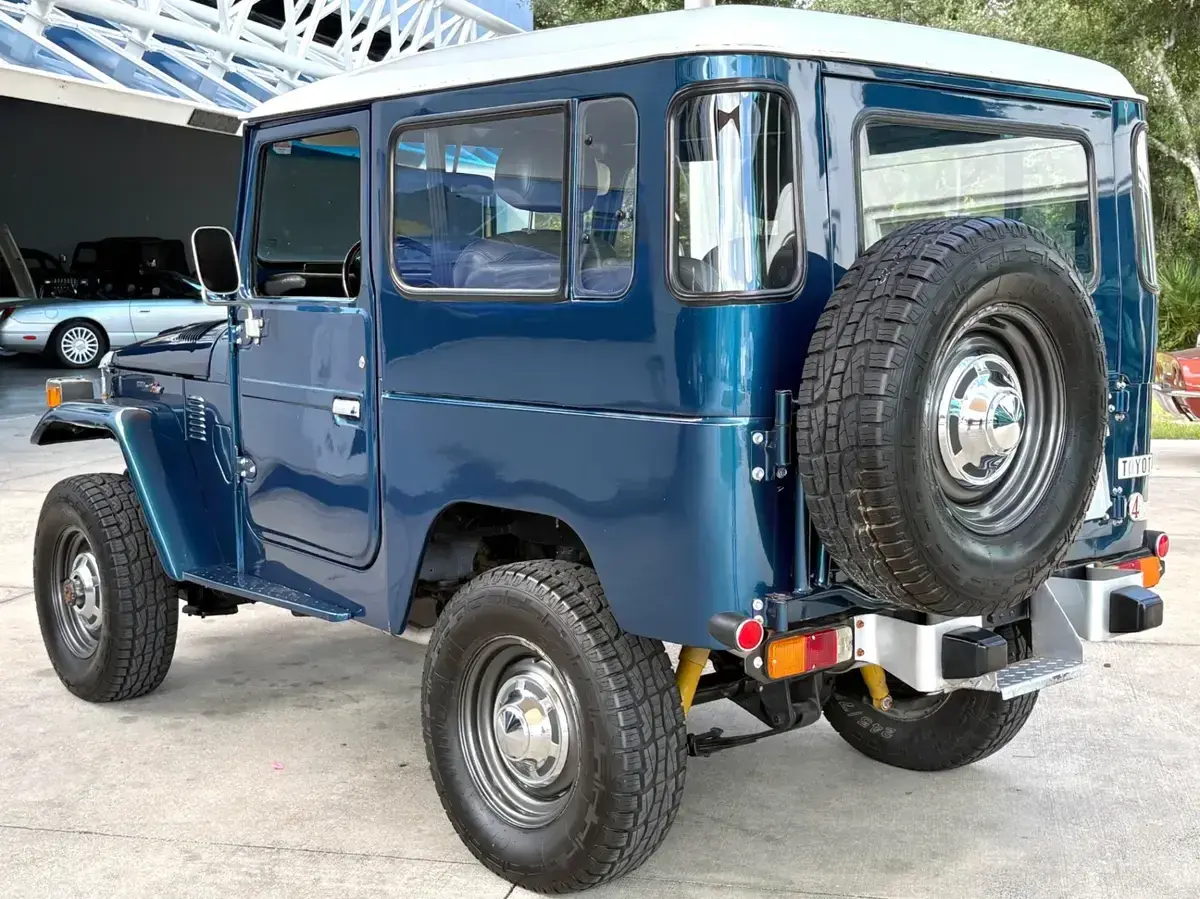
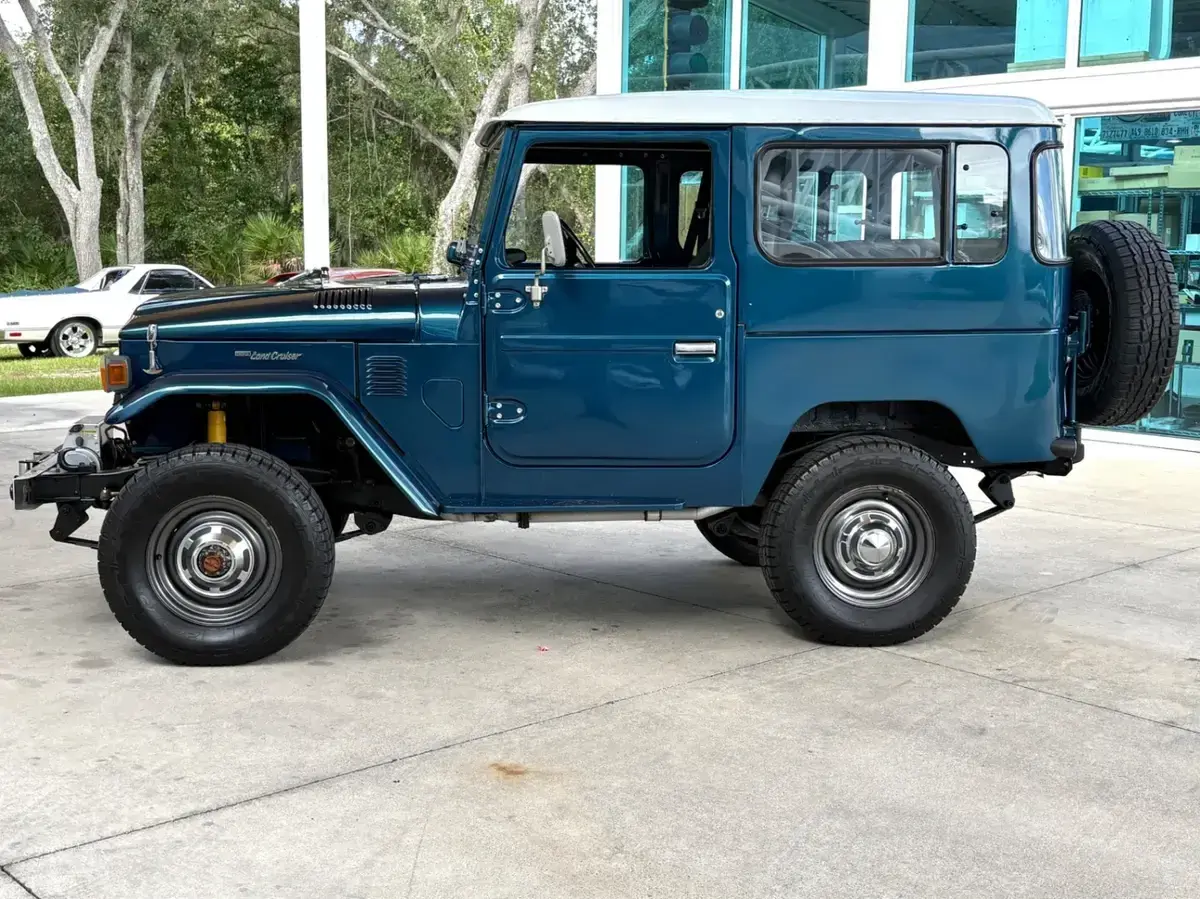
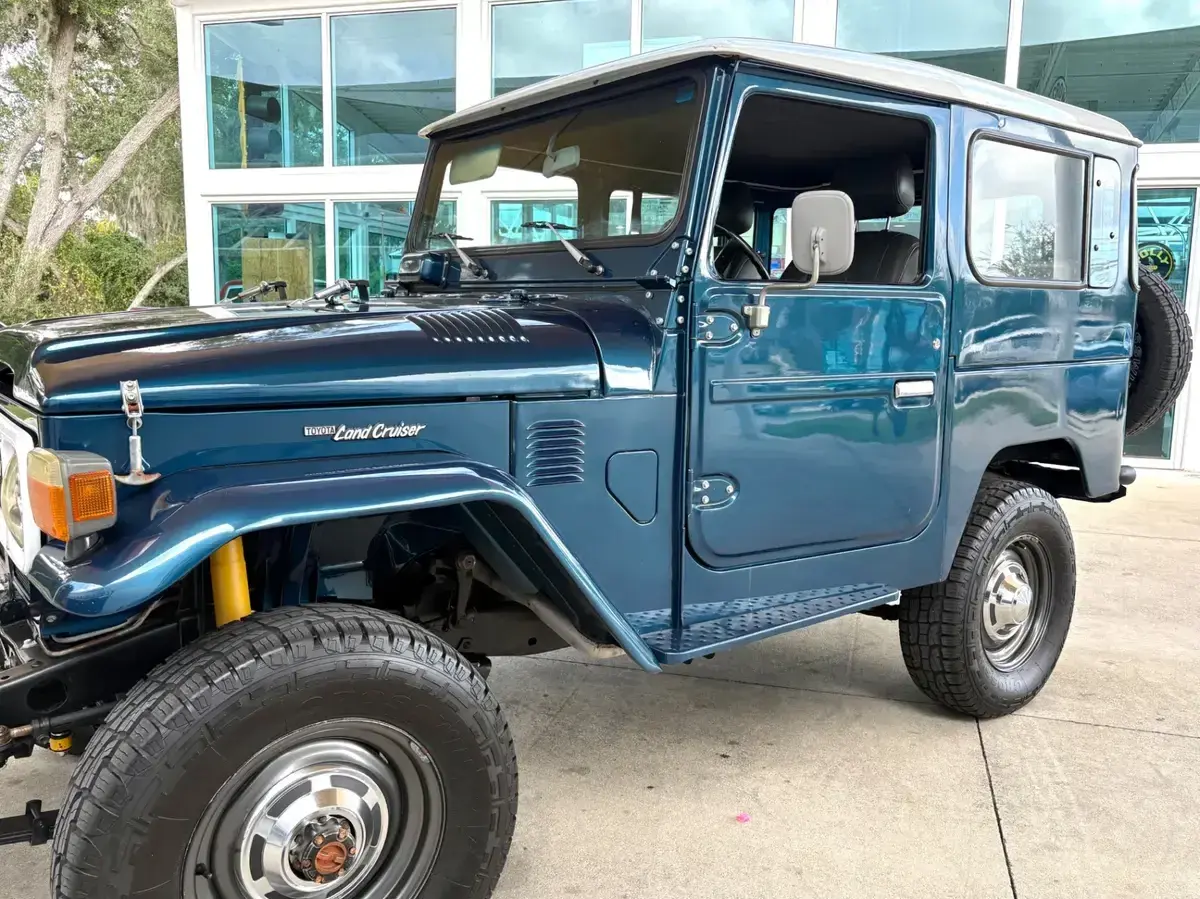
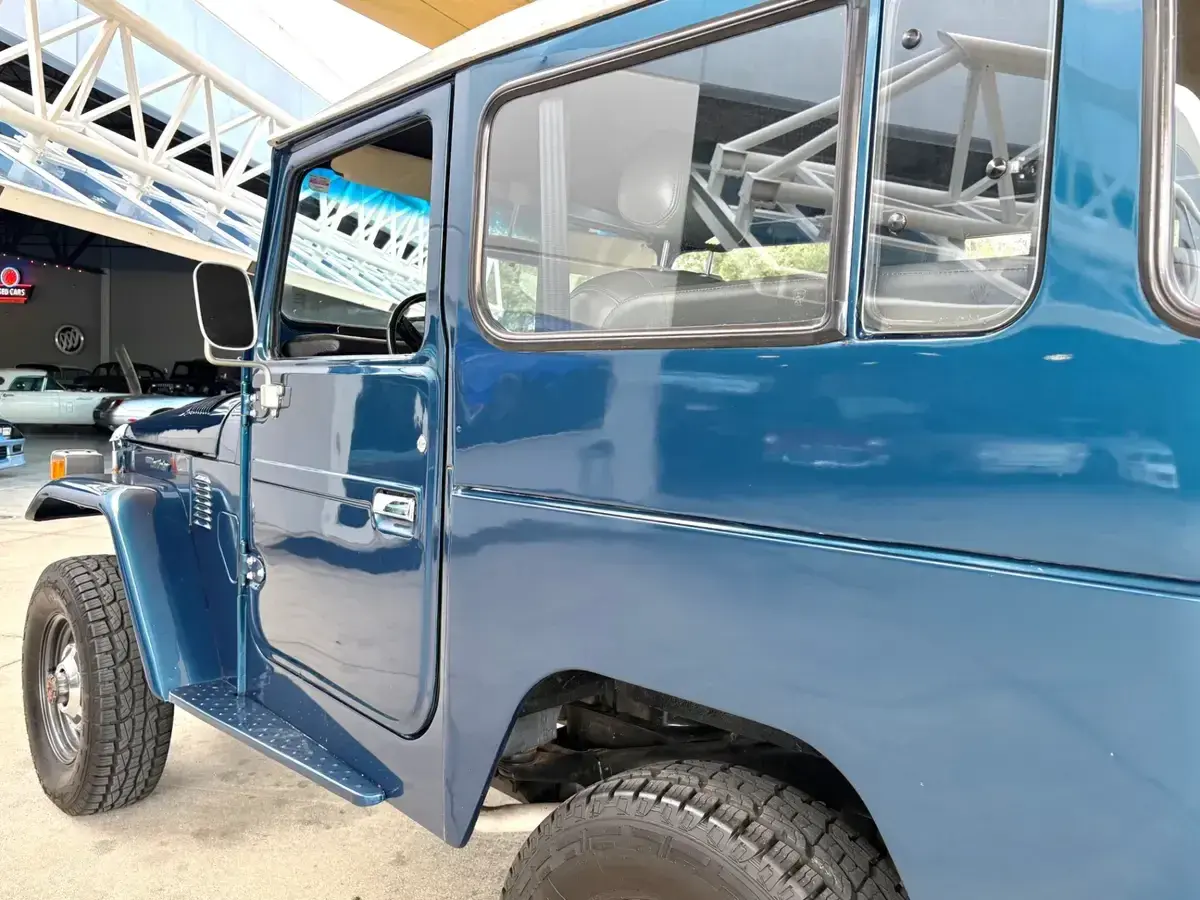
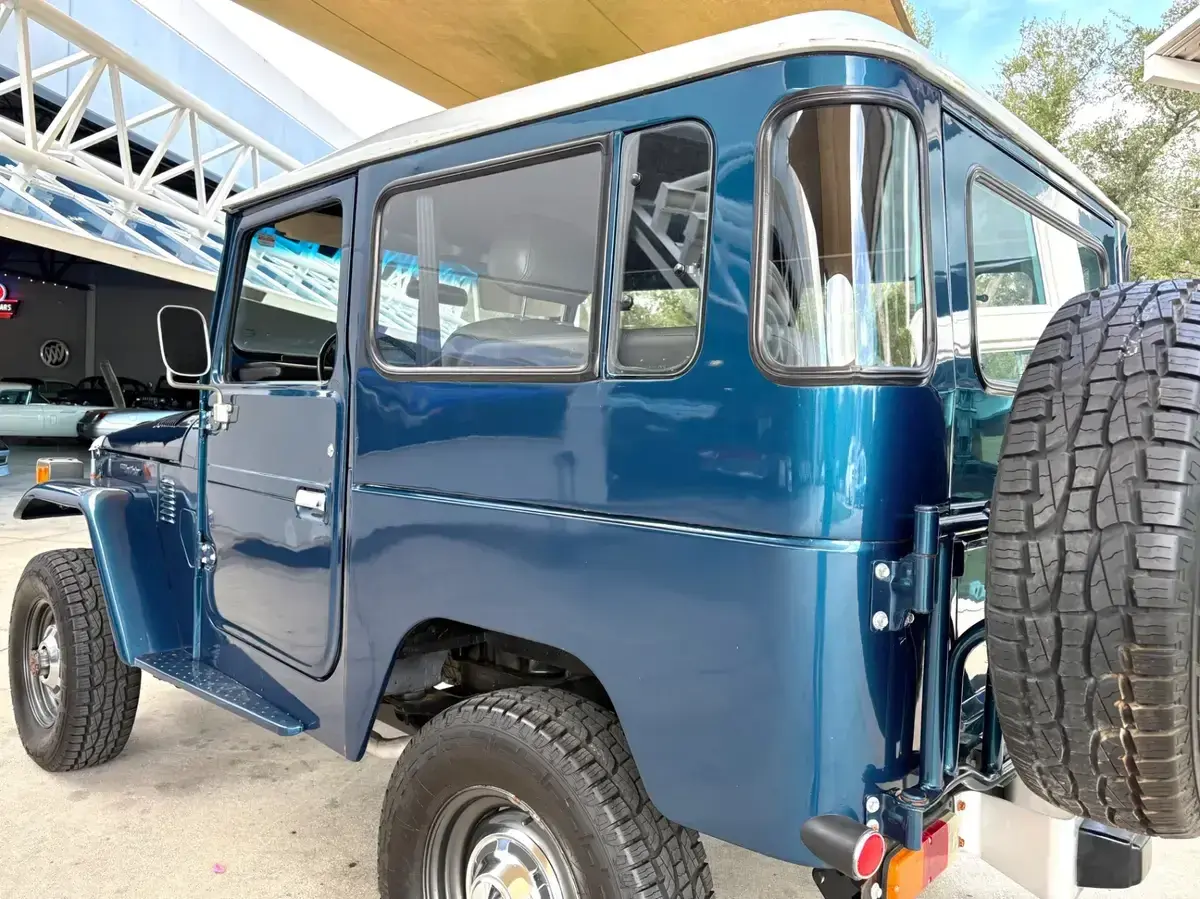
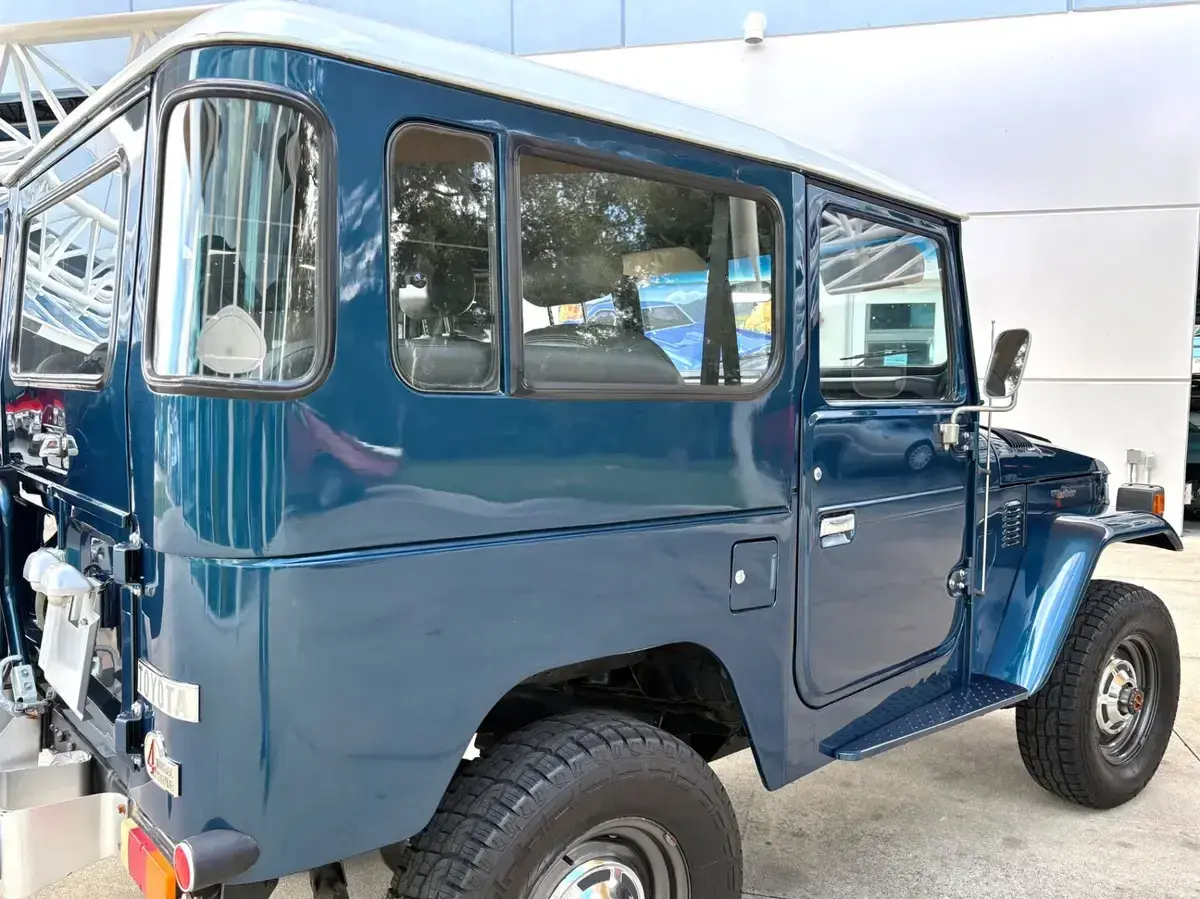
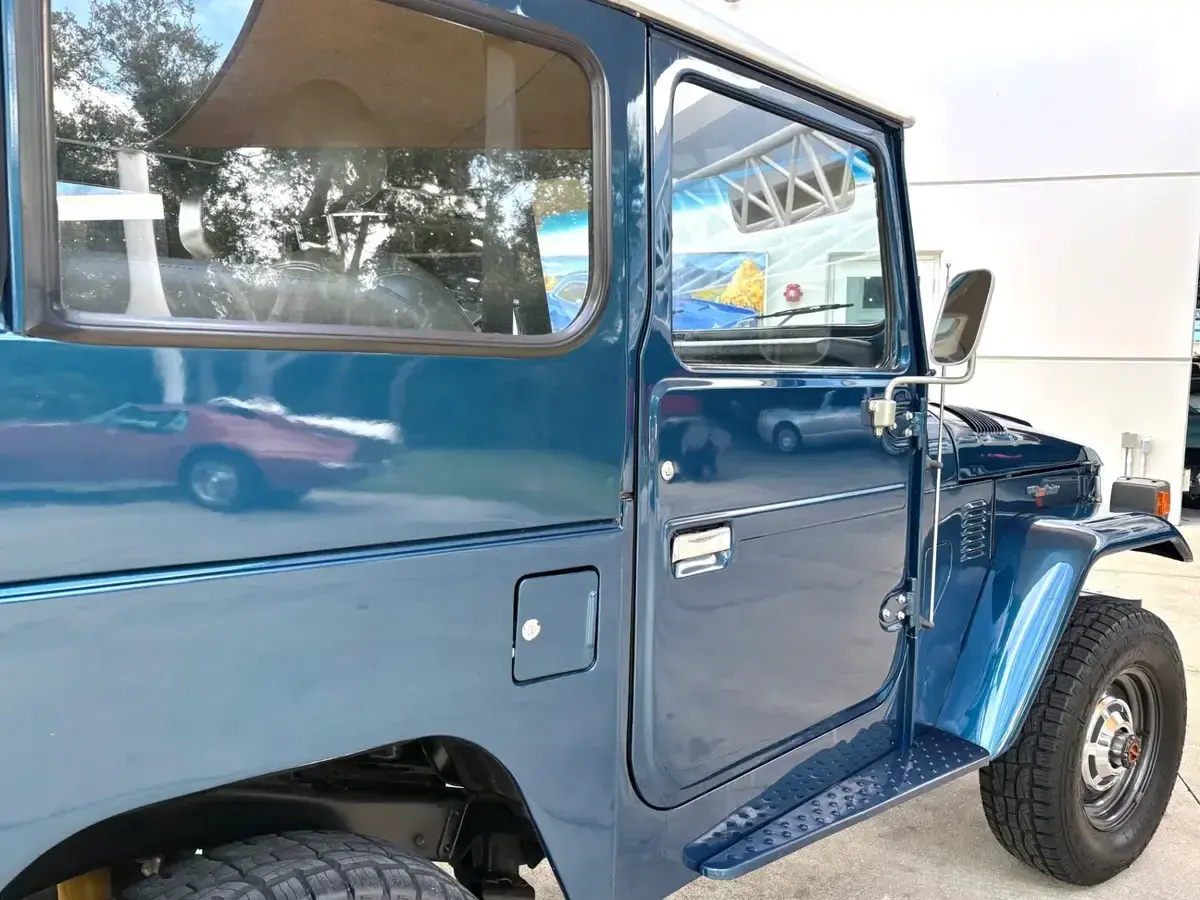
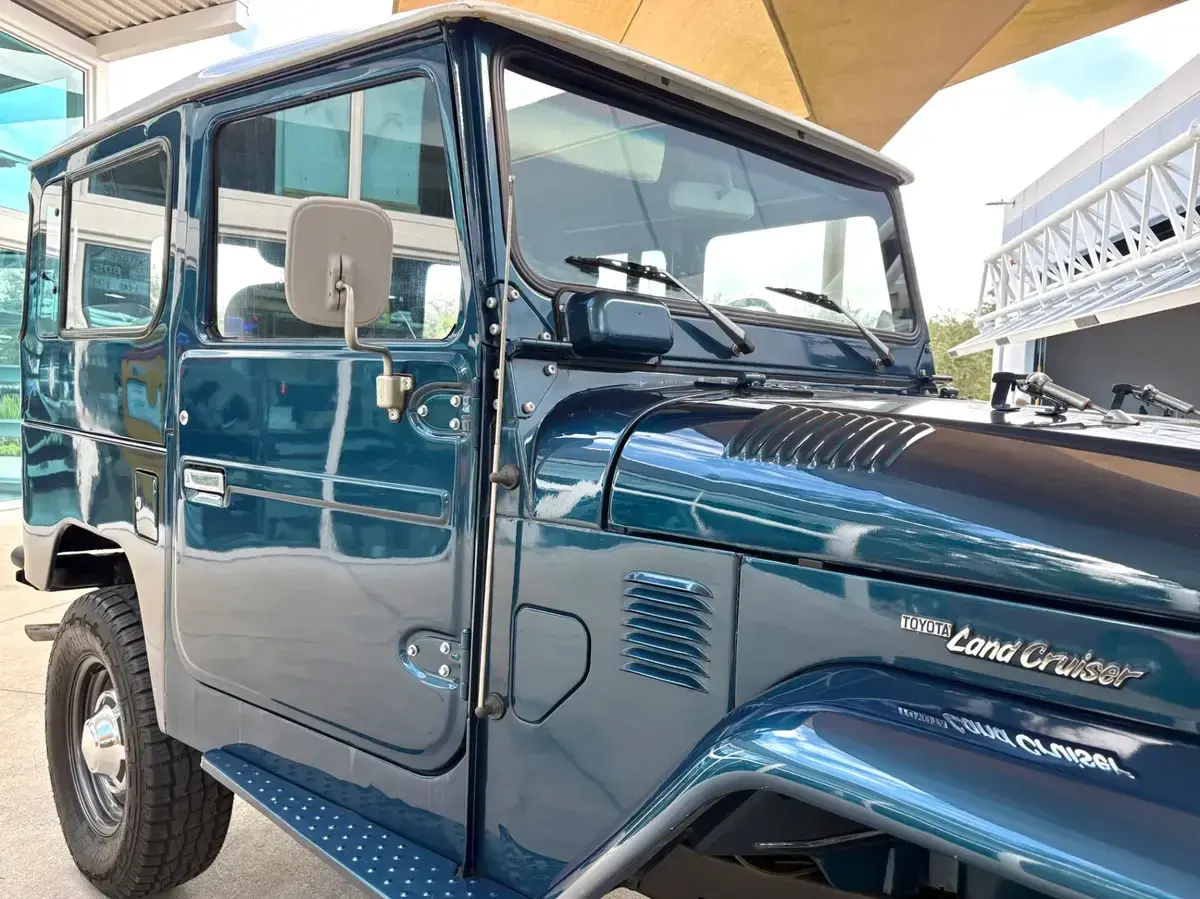
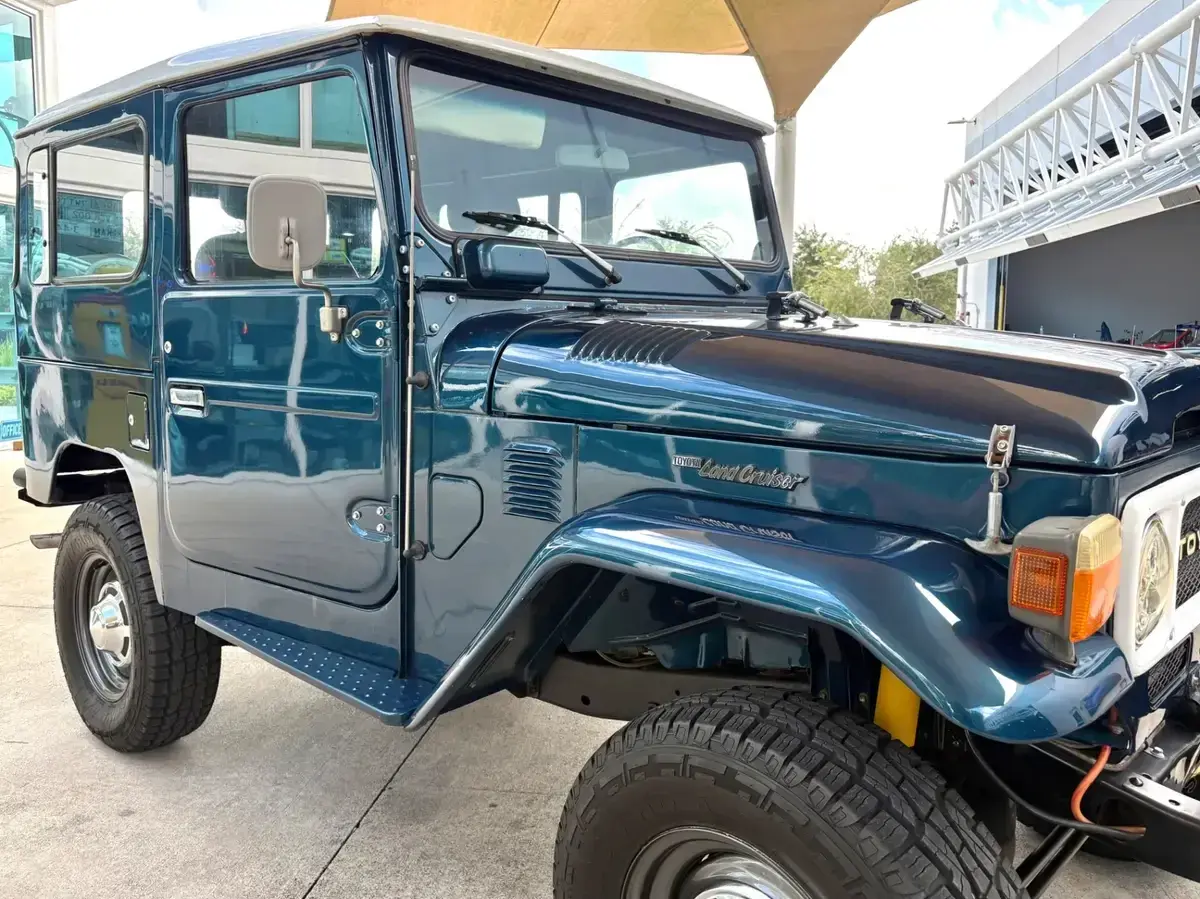
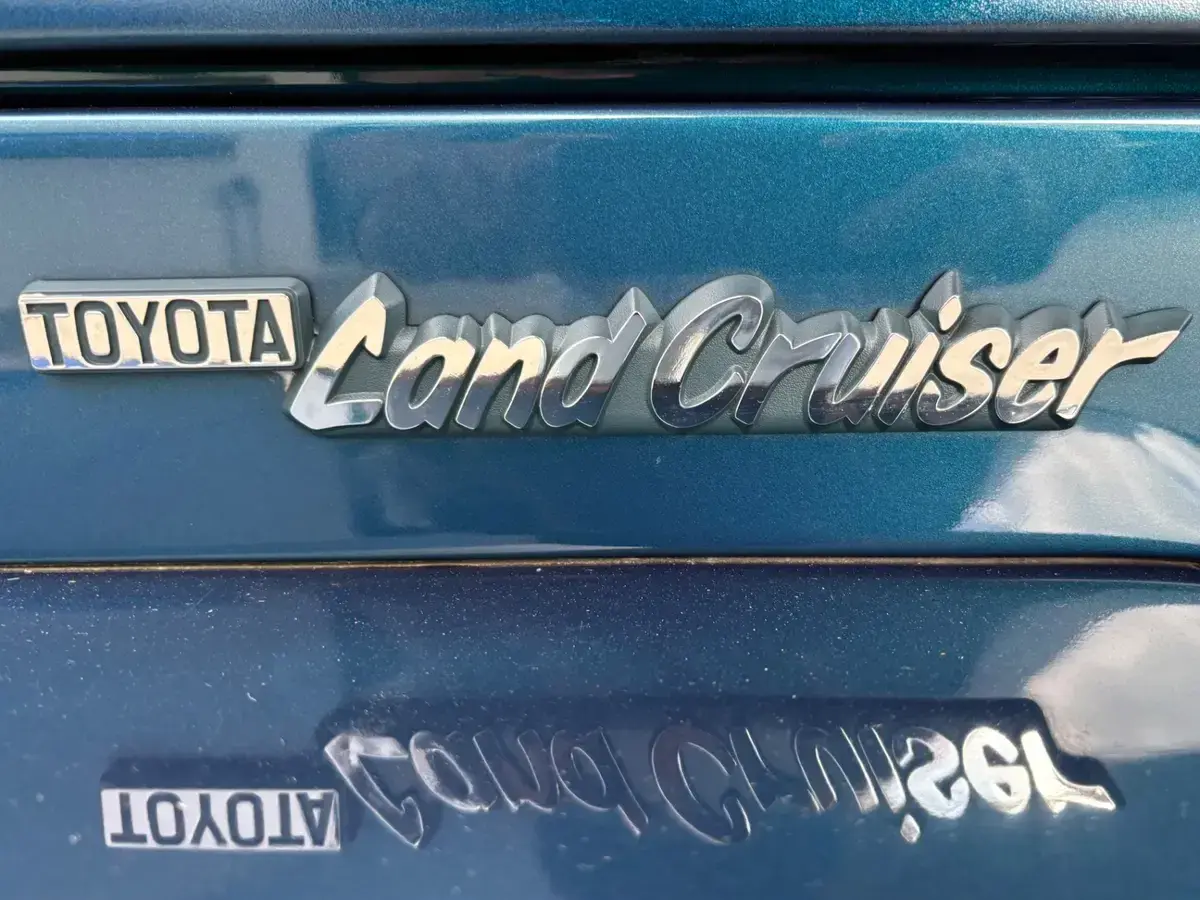
The 1984 Toyota Land Cruiser FJ40 wears a blue exterior that photographs deep and consistent, with no obvious signs of mismatched panels or accident repair visible in the photos. The boxy FJ40 body is the same fundamental shape Toyota sold from 1960 through 1984, with only incremental changes over the years. The short wheelbase, flat hood, and upright windshield are immediately identifiable to anyone who knows the nameplate. The FJ40 body stamp confirms the vehicle's body identity for those who want to verify provenance.
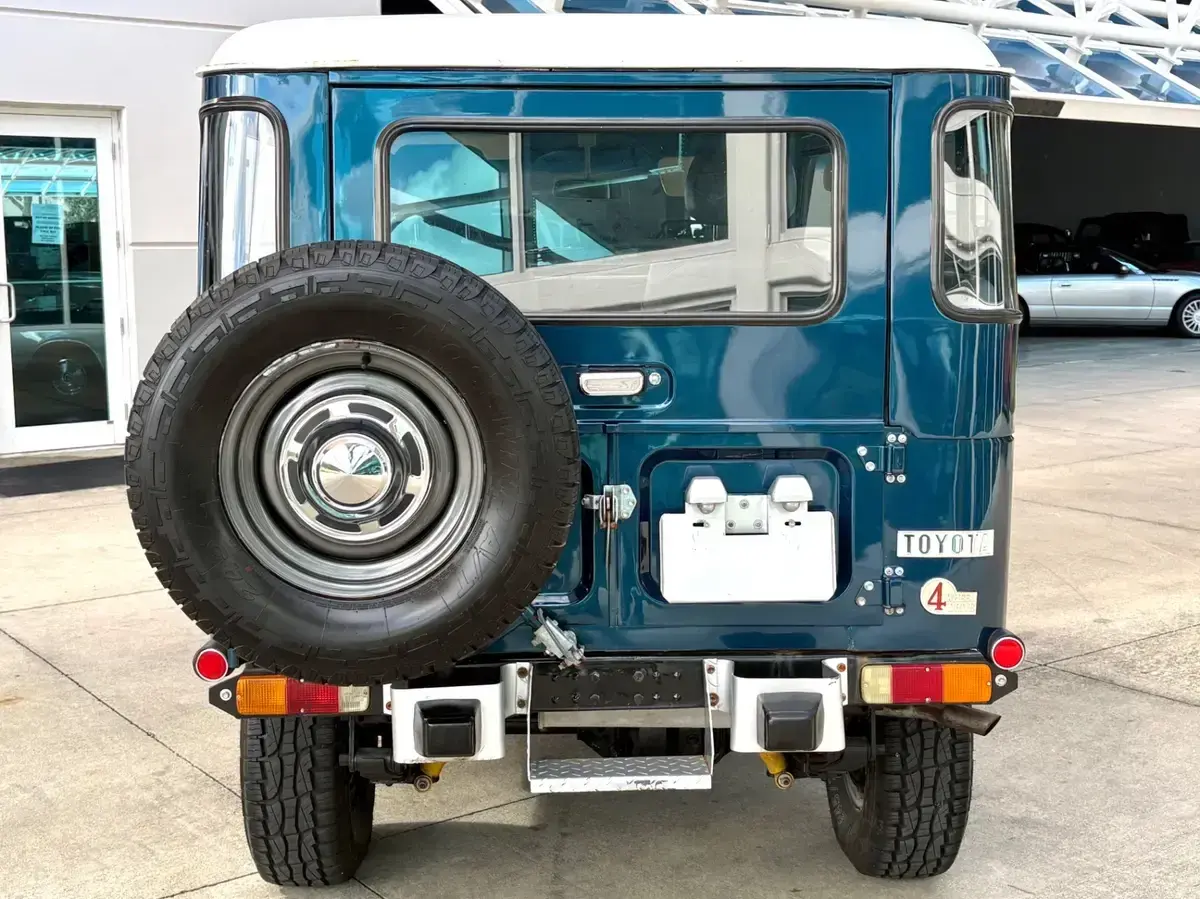
Aftermarket steel bumpers have been fitted front and rear. The front bumper integrates the Ramsey winch mount cleanly, with a roller fairlead at the top. The rear bumper carries the spare tire mount, keeping a full-size 245/75R16 all-terrain tire at the ready. LED headlights have been installed in the factory housings, improving output significantly over the original sealed-beam units. Running boards are fitted on both sides. A roll bar is installed inside the cabin, visible through the windows. The steel wheels are wrapped in trim rings, giving the exterior a period-correct appearance while running a practical tire size. All four tires match.
Conclusion
The 1984 Toyota Land Cruiser FJ40 has become one of the most sought-after classic 4x4s in the collector market, and for reasons that go beyond nostalgia. The FJ40's design, drivetrain layout, and material construction have stood up in ways that purpose-built off-road vehicles from the same era simply have not. Being a 1984 — the last model year sold in the U.S. — adds a layer of historical significance that earlier examples don't carry. This specific truck combines that last-year status with a practical, well-thought-out trail build: a working winch, upgraded suspension and tires, a clean undercarriage, and a sorted interior. It is not a show truck that hasn't been driven in twenty years. It is a capable FJ40 that has been equipped to actually go places, and the condition of this one suggests it has been cared for along the way.
If you have questions about this 1984 Toyota Land Cruiser FJ40 or would like to arrange an inspection, call Skyway Classics in Sarasota, Florida at 941-254-6608. Our team is happy to walk you through the details and help you make an informed decision.
Contact Seller
You Might Also Like
Similar trucks and 4×4s currently available on Fourbie

Fast & Easy Auto Loans
Fourbie and LightStream have teamed up to provide financing options for your 4x4 purchase.

Secure Pay & Title Transfer
KeySavvy makes it safer and easier to buy and sell cars with secure pay and title transfer.
Partner services are offered by Fourbie Exchange. When you choose to use their services, we may receive a commission at no extra cost to you.
This listing is based on information supplied by the seller or published on the seller’s website. Sellers are responsible for providing accurate information. Fourbie Exchange has not independently verified all vehicle details or whether the advertised price includes all dealer fees. Taxes, title, and registration charges may also apply. Request an itemized out-the-door price from the dealer before purchasing. By using this page, including submitting an inquiry, you accept our Terms of Use.
Suspect fraud or inaccurate details? Let us know.